Purchasing a pre-owned car in Singapore should be a confident investment, not a gamble. Yet, many buyers face the uncertainty of hidden mechanical faults and the risk of costly future repairs. A common misconception is that the mandatory LTA inspection provides a complete health check of the vehicle. This is a critical misunderstanding that can lead to significant financial loss.
The truth is, a basic LTA check only verifies roadworthiness—it does not assess the long-term health of your engine, transmission, or advanced electronic systems. This is where a professional pre-purchase car inspection Singapore service becomes essential. In this guide, our specialists will explain the crucial difference between these two evaluations. You will learn what a comprehensive inspection covers, how to identify potential ‘lemon’ cars, and how to use an expert report to negotiate a fair price, ensuring your next vehicle purchase is made with complete peace of mind.
LTA Inspection vs. Pre-Purchase Inspection: Why a Pass Certificate Isn’t Enough
In Singapore’s used car market, a valid LTA inspection certificate is a non-negotiable. However, many buyers mistakenly believe this “pass” guarantees a vehicle’s quality and reliability. This is a critical misunderstanding. The mandatory LTA inspection and a professional Pre-Purchase Inspection (PPI) serve two vastly different purposes. The LTA check ensures a car meets minimum legal standards for road safety, while a PPI is a comprehensive evaluation designed to protect you—the buyer—from costly hidden problems and future headaches.
A car can easily pass its LTA inspection while harbouring significant underlying issues that will only surface after you’ve signed the papers. Understanding the difference is crucial for making a confident and informed purchase.
What the Mandatory LTA Inspection Covers
The Land Transport Authority (LTA) periodic inspection is a high-level check focused on fundamental roadworthiness and environmental compliance. It is a snapshot in time designed to confirm that essential safety systems are functional. It primarily verifies:
- Safety Basics: Functional brakes, lights, signals, wipers, and sufficient tyre tread depth.
- Exhaust Emissions: Ensures the vehicle’s exhaust output complies with Singapore’s national standards.
- Structural Integrity: A visual check for major chassis or body damage that could compromise safety.
Crucially, this inspection does not assess the long-term health of the engine, the condition of the gearbox, or look for evidence of past accident repairs. It is a basic pass/fail test for legal road use, not a guarantee of mechanical soundness.
What a Comprehensive Pre-Purchase Inspection (PPI) Uncovers
In contrast, a comprehensive Pre-purchase inspection is an in-depth diagnostic service that provides a complete picture of a vehicle’s health. Performed by skilled technicians, this is the most reliable form of car inspection Singapore buyers can invest in for true peace of mind. A professional PPI delves deeper to uncover:
- In-depth Mechanical Health: Evaluates the engine, transmission, suspension, and drivetrain for wear, leaks, and performance issues.
- Advanced Diagnostic Codes: Uses specialized computer scanners to retrieve hidden electronic fault codes that standard checks miss.
- Body and Frame Integrity: A meticulous inspection of the chassis and body panels to detect subtle signs of past accidents, poor-quality repairs, or flood damage.
The outcome is a detailed report outlining the car’s current condition, required maintenance, and potential future repair costs, giving you powerful leverage for negotiation or the confidence to walk away from a bad deal.
| Feature Checked | Mandatory LTA Inspection | Pre-Purchase Inspection (PPI) |
|---|---|---|
| Primary Purpose | Legal Compliance (Road Safety) | Buyer Protection (Investment Security) |
| Engine & Transmission Health | Not Checked | Comprehensive Check |
| Accident History Detection | Visual check for major damage only | Detailed Forensic Check |
| Computer Fault Codes | Not Checked | Advanced Diagnostic Scan |
| Suspension & Drivetrain | Basic visual check | In-Depth Mechanical Evaluation |
| Outcome | Pass / Fail Certificate | Detailed Report with Cost Estimates |
The Ultimate DIY Checklist: What You Can Inspect Yourself
While a professional evaluation is essential for any serious buyer, conducting your own preliminary check can save you time and the cost of inspecting a vehicle with obvious flaws. This initial review empowers you to spot clear red flags before engaging specialists. For the most accurate assessment, always inspect the car in broad daylight and on a level surface. This simple step, combined with professional tips from the pros, is the first step in a thorough pre-purchase car inspection Singapore.
Exterior and Bodywork Examination
A car’s exterior is the first chapter of its story. Look for signs of past trauma that may indicate deeper issues.
- Inconsistent Panel Gaps: Walk around the car and examine the spacing between the doors, bonnet, and boot. Uneven or wide gaps are a classic sign of a past accident and subpar repair work.
- Paint Defects: Look closely for mismatched paint colours between panels, which is easiest to spot in bright sunlight. Also, check rubber seals and plastic trim for paint overspray, a tell-tale sign of a cheap repair.
- Uneven Tyre Wear: Inspect all four tyres. If the tread is worn down significantly more on one edge, it points to wheel alignment or suspension problems that can be expensive to fix.
- Glass Integrity: Carefully check the windscreen and all windows for chips or cracks. A small chip can easily spread, requiring a costly replacement.
Interior and Electronics Check
The interior condition often reflects the owner’s overall care for the vehicle. Be methodical in your checks.
- Full Functionality Test: Test every single button, switch, and light. Pay special attention to the air conditioning—a critical component in Singapore’s climate. Ensure it blows cold air quickly.
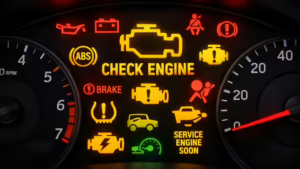
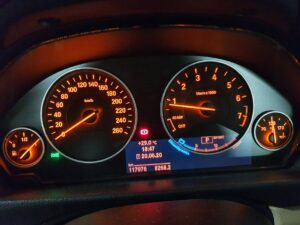
- Dashboard Warning Lights: When you start the engine, all dashboard lights should illuminate and then turn off. A light that remains on signals a fault that needs professional diagnosis.
- Signs of Water Damage: Press your hand firmly on the carpets in the footwells and boot. Any dampness or a persistent musty smell is a major red flag for water leaks, which can lead to mould and electrical nightmares.
- Upholstery Condition: Check the seats, steering wheel, and gear knob for excessive wear that seems inconsistent with the car’s stated mileage.
Under the Bonnet and Test Drive
This is your opportunity to assess the car’s mechanical health. Even without technical expertise, you can spot obvious warning signs.
- Fluid Leaks: Before starting the car, look under the bonnet and on the ground beneath for any signs of oil, coolant, or other fluid leaks.
- Fluid Levels and Condition: Check the engine oil on the dipstick. It should be a translucent amber or brown, not black and sludgy. Note the coolant and brake fluid levels as well.
- Unusual Noises: During the test drive, turn the radio off. Listen for any knocking from the engine, squealing from the brakes, or whining sounds during gear changes.
- Steering and Vibrations: On a straight, level road, feel if the car pulls to one side. Note any vibrations through the steering wheel or seats at various speeds, as this can indicate anything from a simple wheel balancing issue to more serious suspension problems.
Why a Professional Workshop Inspection is Non-Negotiable for European Cars
While a personal walkthrough is a good starting point, it only scratches the surface. Modern European vehicles from brands like Mercedes-Benz, BMW, and Audi are marvels of engineering, packed with complex electronic systems and precision components. Many potentially costly issues—from intermittent electronic faults to hidden structural damage—are simply invisible to the naked eye. A professional workshop inspection provides the objective data and expert analysis you need to move from uncertainty to a confident purchase decision. This step is essential for any comprehensive car inspection Singapore buyers should undertake.
Uncovering Hidden Faults with Advanced Diagnostics
Specialist workshops use professional-grade OBD2 (On-Board Diagnostics) scanners to communicate directly with the car’s Engine Control Unit (ECU). This allows technicians to retrieve stored fault codes that reveal a vehicle’s electronic history, including intermittent problems with the engine management, transmission, or safety systems that may not trigger a warning light during a short test drive. At Volt Autocare, our expertise in ECU diagnostics for European models ensures we can interpret this data accurately, giving you a clear picture of the car’s electronic health.
Identifying Past Accident Damage and Structural Integrity
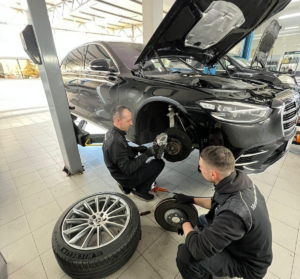
A trained technician knows exactly where to look for signs of previous accidents, from inconsistent panel gaps to subtle differences in paint finish. Using tools like a paint thickness gauge, they can detect repainted areas that may hide poor-quality bodywork. As any reputable guide to buying a pre-owned car will advise, verifying structural integrity is paramount. Our specialists inspect chassis alignment and critical welds to ensure the vehicle’s core structure has not been compromised, safeguarding your future safety on the road.
Assessing Common Wear Items on Performance Cars
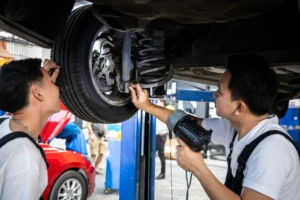
Every model has its own set of common wear points. Our specialists possess deep, brand-specific knowledge of potential weak spots, such as timing chains on certain BMW engines or air suspension components on Mercedes-Benz models. We conduct a thorough assessment of high-wear items like brakes, tyres, and suspension bushes, providing a realistic estimate of their remaining lifespan. This detailed evaluation helps you accurately forecast near-future maintenance costs in SGD, giving you powerful leverage for negotiation.
Don’t risk a purchase based on looks alone. Schedule a professional pre-purchase inspection with our experts.
Choosing the Right PPI Provider in Singapore
Once you’ve shortlisted a used car, selecting the right professional for the pre-purchase inspection (PPI) is your most critical next step. Not all workshops or inspection services are created equal. Your goal is to receive an unbiased, detailed, and actionable report that empowers you to negotiate effectively or walk away from a bad deal. Making the right choice here is an investment in your future peace of mind.
Authorised Inspection Centres vs. Specialist Workshops
While Authorised Inspection Centres (AICs) like VICOM or STA offer vehicle evaluation services that are more thorough than a standard LTA inspection, they are generalists by nature. They provide a good baseline check, but they may not have the deep, model-specific expertise required for complex modern vehicles, particularly high-performance European cars.
A specialist workshop, especially one focused on brands like Mercedes-Benz, BMW, or Audi, brings a higher level of diagnostic precision. Their technicians work with these cars daily and are trained to identify common, brand-specific faults that a general centre might miss—from known transmission issues to specific electronic module failures. For a comprehensive car inspection singapore service that truly assesses the vehicle’s health and future reliability, a specialist provides unmatched value.
What to Look for in a PPI Report
The quality of the final inspection report is what separates a basic check from a professional evaluation. A verbal summary is not enough; insist on a detailed written document that you can use for negotiation. A dependable report must include:
- Detailed Findings with Photos: Every identified issue, from engine oil leaks to worn suspension bushings, should be documented with clear, high-resolution photographs as evidence.
- Estimated Repair Costs: The report must provide a transparent breakdown of recommended repairs and their estimated costs in SGD. This gives you direct leverage to negotiate the selling price.
- Prioritised Recommendations: Issues should be categorised by urgency, such as “Immediate Safety Concern,” “Future Maintenance Required,” or “Minor Cosmetic Flaw,” helping you understand what needs to be fixed now versus later.
- Comprehensive Checklist: A professional PPI covers over 100 points, including the engine, transmission, brakes, suspension, electronics, and a thorough check for accident damage or chassis corrosion.
Ultimately, a professional pre-purchase inspection is a small investment that protects you from significant future costs. For European models, engaging a trusted specialist workshop is the most dependable way to ensure a comprehensive evaluation and complete peace of mind.
The Real Cost: PPI Fee vs. Potential Repair Bills
One of the most common hesitations buyers have is the upfront cost of a pre-purchase inspection. It’s easy to view it as an extra expense, but this perspective overlooks the significant financial risks of buying a used car blind. A professional inspection is not a cost—it is a critical investment in your financial safety and peace of mind.
By identifying hidden faults before you commit, a comprehensive car inspection in Singapore empowers you to make a confident, informed decision, protecting you from unforeseen and costly repairs down the road.
Average Pre-Purchase Inspection Costs in Singapore
A detailed pre-purchase inspection (PPI) in Singapore typically ranges from S$150 to S$400. The final price depends on the workshop’s expertise and the complexity of the vehicle—a high-performance European car, for instance, requires more specialized diagnostic tools than a standard sedan. When you consider this is less than 1% of the purchase price for most quality used cars, it’s a remarkably small price for certainty.
The Price of Ignorance: Common Used Car Repair Costs
Skipping an inspection to save a few hundred dollars can expose you to repair bills that run into the thousands. A professional PPI is designed to detect these high-stakes issues before they become your problem. Here are just a few examples of potential repair costs for common hidden faults:
- Gearbox or Transmission Failure: S$5,000+
- ECU (Engine Control Unit) Malfunction: S$1,500+
- Major Engine Component Repair (e.g., head gasket): S$3,000+
- Suspension System Overhaul: S$2,000+
Suddenly, the modest fee for a thorough inspection seems insignificant compared to the financial damage a problematic car can cause.
Leveraging Your Inspection Report for Negotiation
A detailed inspection report is your most powerful negotiation tool. It moves the conversation from opinions to objective facts. If the inspection uncovers issues, you have clear options:
- Request the seller to complete the necessary repairs before the sale.
- Negotiate a lower purchase price to cover the cost of future repairs.
- Gain the confidence to walk away from a vehicle with too many red flags.
Ultimately, the report either confirms you’re getting a great vehicle or saves you from a disastrous purchase. Both outcomes are well worth the investment.
Buy smarter. Book your inspection with Volt Autocare today.
Secure Your Investment: The Final Word on Pre-Purchase Inspections
In Singapore’s used car market, confidence is the ultimate asset. As this guide has shown, an LTA pass isn’t a guarantee of a car’s health, and the modest cost of a professional inspection pales in comparison to potential repair bills that can run into thousands of S$. A thorough check is not just a formality; it’s a critical step in protecting your investment, especially when considering a premium European vehicle.
A professional car inspection singapore service provides the certainty you need. As dedicated specialists in Mercedes, BMW & Audi, Volt Autocare offers a meticulous evaluation using advanced diagnostic equipment for accurate fault finding. We provide detailed reports that empower you to negotiate effectively and make a truly informed decision.
Ensure your next car is a great investment. Schedule a comprehensive pre-purchase inspection with Volt Autocare. Drive away not just with a new car, but with the complete peace of mind you deserve.
Frequently Asked Questions
How long does a pre-purchase car inspection usually take in Singapore?
A comprehensive pre-purchase inspection typically takes between 60 to 90 minutes. This duration allows our skilled technicians to perform a thorough assessment, including advanced computer diagnostics, a detailed physical examination of the engine, undercarriage, and bodywork, and a road test to evaluate performance. Rushing the process can lead to overlooked issues, so we allocate sufficient time to ensure a meticulous and reliable report, giving you complete peace of mind before your purchase.
Can I use an official LTA inspection centre like VICOM or STA for a pre-purchase check?
While VICOM and STA are official LTA inspection centres, their checks are designed to meet basic roadworthiness standards and are not a substitute for a pre-purchase inspection. A specialist workshop provides a far more comprehensive assessment, looking for potential faults, wear and tear, and signs of previous accidents that an LTA check would miss. For a detailed evaluation of a car’s true mechanical and electronic condition, a dedicated pre-purchase inspection from a trusted specialist is essential.
What’s the difference between a car evaluation and a pre-purchase inspection?
A car evaluation primarily focuses on determining the vehicle’s market value, considering factors like its OMV, COE, PARF rebate, and recent transaction prices. In contrast, a pre-purchase inspection is a detailed technical assessment of the car’s physical and mechanical health. It identifies existing and potential issues with the engine, transmission, suspension, and electronics. While an evaluation tells you what a car is worth, an inspection tells you if it’s worth buying.
Is a pre-purchase inspection necessary for a used car that is still under the manufacturer’s warranty?
Yes, a pre-purchase inspection is highly recommended, even if the car is still under the manufacturer’s warranty. Warranties typically do not cover wear-and-tear items, cosmetic damage, or issues arising from previous accidents or improper modifications. Our comprehensive car inspection in Singapore can uncover hidden structural damage or non-genuine parts that could void the warranty or lead to expensive repairs, ensuring your investment is protected from every angle.
How much does a car inspection cost in Singapore?
The cost for a professional pre-purchase car inspection in Singapore typically ranges from S$150 to S$300. The final price depends on the complexity of the vehicle, particularly for European marques like Mercedes-Benz, BMW, and Audi, which require specialised diagnostic tools. This is a minor investment that can save you from purchasing a vehicle with hidden defects, potentially saving you thousands of dollars in future repair costs.
What key documents should I check besides the car’s physical condition?
Beyond the physical inspection, a thorough document check is critical. Always request the vehicle’s LTA Log Card to verify ownership, chassis number, COE expiry, and PARF/COE rebate details. It is also essential to review the car’s official service history records from authorised agents or reputable workshops. This documentation provides a clear history of maintenance and helps confirm that the vehicle has been cared for properly, ensuring its long-term reliability.