European vehicles such as BMW, Mercedes-Benz, Audi, Volkswagen, MINI, Porsche, Volvo, and Land Rover are renowned for their exceptional engineering, luxury, safety, and driving performance. However, these vehicles also require regular maintenance to continue performing at their best.
Many drivers unknowingly ignore early warning signs, assuming that a small issue can wait until the next scheduled service. Unfortunately, delaying repairs often leads to more serious mechanical problems, higher repair costs, and unexpected breakdowns.
Whether you drive your European car daily or only on weekends, recognising the early signs of trouble can save you thousands of dollars in repair costs and help maintain your vehicle’s reliability.
In this guide, we’ll explain the most common signs that your European car needs immediate servicing and why prompt attention from a trusted European car workshop in Singapore is essential.
Why Regular Servicing Matters
European vehicles are built with advanced engines, sophisticated electronics, precision transmissions, and intelligent safety systems. Unlike many standard vehicles, these components rely on accurate diagnostics and timely maintenance to perform correctly.
Routine servicing helps:
- Maintain engine performance
- Improve fuel efficiency
- Prevent expensive repairs
- Extend vehicle lifespan
- Increase safety
- Protect resale value
- Detect hidden problems before they become major failures
Ignoring small warning signs today could result in costly engine or transmission repairs tomorrow.
1. Dashboard Warning Lights
Modern European vehicles constantly monitor the health of critical systems using onboard computers and sensors.
If one of the following warning lights appears, your vehicle should be inspected as soon as possible:
- Check Engine Light
- Oil Pressure Warning
- Brake Warning Light
- ABS Warning
- Battery Warning
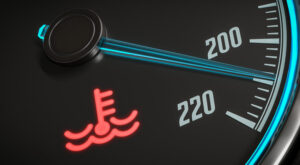
- Engine Temperature Warning
- Transmission Warning
- Airbag Warning
While some warning lights indicate minor issues, others may signal problems that require immediate professional diagnosis.
Never ignore a flashing Check Engine Light, as it could indicate an engine misfire that may damage expensive components such as the catalytic converter.
2. Unusual Engine Noises
Your engine should operate smoothly with minimal noise. If you begin hearing unfamiliar sounds, it’s often a sign that something is wrong.
Common noises include:
Knocking
Engine knocking may indicate:
- Low engine oil
- Incorrect fuel combustion
- Worn internal engine components
Ticking
A ticking sound may result from:
- Low oil pressure
- Valve train issues
- Worn hydraulic lifters
Grinding
Grinding noises should never be ignored and could indicate:
- Timing system issues
- Water pump failure
- Pulley or bearing wear
Prompt inspection can prevent severe engine damage.
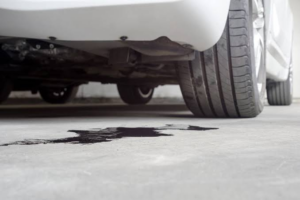
3. Oil Leaks Under the Vehicle
Finding fresh oil stains beneath your parked car is one of the clearest signs that servicing is required.
Oil leaks commonly originate from:
- Valve cover gasket
- Oil filter housing
- Oil cooler seals
- Oil pan gasket
- Turbo oil lines
Driving with low engine oil increases friction and heat, potentially causing significant engine damage.
Regular servicing helps detect leaks early before they become major repairs.
4. Reduced Engine Performance
If your European car no longer accelerates smoothly or feels sluggish, there may be an underlying mechanical or electronic issue.
Possible causes include:
- Faulty ignition coils
- Worn spark plugs
- Turbocharger issues
- Dirty fuel injectors
- Air intake restrictions
- Sensor failures
A professional diagnostic scan can quickly identify the root cause and restore your vehicle’s performance.
5. Excessive Exhaust Smoke
The colour of your exhaust smoke can reveal important information about your engine’s condition.
Blue Smoke
Usually indicates engine oil burning due to worn seals or piston rings.
White Smoke
May suggest coolant entering the combustion chamber, potentially caused by a damaged head gasket.
Black Smoke
Often indicates an overly rich fuel mixture caused by injector or sensor problems.
Ignoring unusual exhaust smoke can lead to more extensive engine damage.
6. Vibrations While Driving
Your vehicle should provide a smooth and comfortable driving experience.
If you notice vibrations through the steering wheel, seat, or floor, possible causes include:
- Wheel imbalance
- Suspension wear
- Brake disc warping
- Engine mount deterioration
- Tyre damage
A thorough inspection can identify the source of the vibration before it affects handling or safety.
7. Poor Fuel Economy
Has your BMW, Mercedes-Benz, Audi, or Volkswagen started consuming more fuel than usual?
Reduced fuel efficiency may indicate:
- Dirty air filters
- Faulty oxygen sensors
- Mass airflow sensor issues
- Spark plug wear
- Fuel injector problems
- Incorrect tyre pressure
Regular servicing helps optimise engine efficiency and reduce fuel costs.
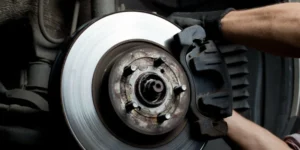
8. Brake Problems
Your braking system is one of the most important safety features of your vehicle.
Warning signs include:
- Squealing or grinding noises
- Vibrations during braking
- Longer stopping distances
- Soft brake pedal
- Brake warning light
Brake components naturally wear over time and should be inspected during routine servicing to ensure safe and reliable stopping performance.
9. Air-Conditioning Not Cooling Properly
Singapore’s warm climate makes a reliable air-conditioning system essential for comfortable driving.
If your cabin no longer cools effectively, the problem may be caused by:
- Low refrigerant
- Compressor failure
- Condenser blockage
- Cooling fan issues
- Refrigerant leaks
Early diagnosis can often prevent more expensive air-conditioning repairs.