Your BMW starts making a ticking sound. Your Mercedes-Benz squeals when you apply the brakes. Or your Audi develops a rattling noise whenever you accelerate.
Unusual vehicle noises can be frustrating, particularly when your car normally feels smooth, refined and quiet.
Although some sounds may result from normal operation, a new, persistent or increasingly loud noise can indicate wear, a mechanical fault or a component that needs inspection. Identifying when the sound occurs can help a technician narrow down the cause.
For European car owners in Singapore, understanding these warning signs can help you decide when to arrange servicing before a minor issue develops into a more serious problem.
Quick Answer: Why Is My European Car Making Strange Noises?
Strange noises from a European car can come from the engine, brakes, suspension, tyres, transmission, cooling system or other components.
- Knocking from the engine: May indicate an engine or combustion-related problem.
- Squealing when braking: May indicate worn brake pads or another brake-system issue.
- Rattling over bumps: May point to loose components or suspension wear.
- Grinding while braking: May indicate a serious brake problem.
- Whining during acceleration: May involve the transmission, drivetrain or another rotating component.
These sounds are clues, not a confirmed diagnosis. The vehicle’s symptoms, maintenance history and inspection results determine the appropriate repair.
1. Engine Knocking or Tapping Sounds
A knocking, tapping or ticking noise coming from the engine can have several possible causes.
Depending on the engine and when the noise occurs, it may relate to lubrication, internal engine components, fuel combustion, timing-related components or normal operation of certain injectors.
What should you notice?
Pay attention to whether the sound:
- Starts immediately when the engine is cold.
- Continues after the engine warms up.
- Becomes louder as engine speed increases.
- Appears alongside rough running, warning lights or loss of power.
A light ticking sound is not always evidence of damage. However, a new, loud or persistent knocking noise should be investigated.
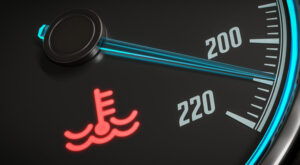
Important: If the engine develops a heavy knocking sound, an oil-pressure warning appears, or the engine overheats, stop somewhere safe and switch it off. Do not continue driving in an attempt to see whether the noise disappears.
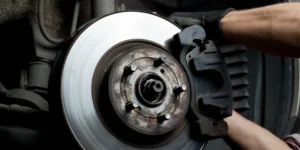
2. Squealing or Grinding When Braking
Your braking system should provide predictable stopping performance. Unusual sounds during braking deserve particular attention.
Squealing brakes
Possible causes include worn brake pads, vibration between brake components, surface contamination or other brake-system conditions. Some vehicles may also produce temporary noise in certain weather conditions.
Grinding brakes
A harsh grinding sound can indicate that brake pads are severely worn or that metal components are contacting each other. Other faults can also cause grinding, so an inspection is necessary.
If braking performance changes, the vehicle pulls to one side, the pedal feels unusual or grinding persists, avoid unnecessary driving and arrange prompt professional inspection.
Volt Autocare provides brake-system inspection and repair as part of its European vehicle services.
3. Rattling or Clunking Over Bumps
A rattle or clunk when driving over uneven roads, speed humps or potholes may originate from the suspension, steering system, wheels or loose components.
Possible causes include worn bushings, suspension joints, stabiliser links, mounting components or loose underbody parts.
Common warning signs
- A clunk when passing over a bump.
- Rattling from the front or rear of the car.
- A change in steering feel.
- Uneven tyre wear.
- Reduced ride comfort or unusual vehicle movement.
Because suspension and steering components influence vehicle control, persistent clunking should not be ignored. A workshop can inspect the relevant components and identify whether any parts require adjustment or replacement.
4. Whining or Humming During Acceleration
A whining or humming sound may change with vehicle speed, engine speed or throttle input.
Potential causes include:
- Transmission or drivetrain components.
- Wheel bearings.
- Tyres with uneven wear.
- Auxiliary pulleys or other rotating engine components.
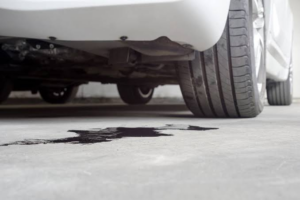
- Fluid or lubrication-related problems, depending on the system.
The conditions under which the sound occurs are important. For example, a noise that changes with road speed may require a different investigation from one that changes mainly with engine RPM.
Avoid assuming that a whining sound automatically means the gearbox needs replacement. Proper diagnosis can help prevent unnecessary repairs.
5. Clicking When Turning the Steering Wheel
A repeated clicking sound during turns can sometimes indicate a problem with a driveshaft joint or another steering or suspension component.
The location and pattern of the sound matter. A single click, repeated clicks while turning and a clunk when changing direction may have different causes.
If the noise is accompanied by vibration, steering difficulty or a change in handling, arrange an inspection rather than continuing to drive normally.
6. Hissing or Whistling From the Engine Bay
A hissing or whistling noise may come from air escaping through a hose or connection, an intake or boost-system leak, a vacuum-related issue or another component.
In turbocharged European vehicles, a change in boost-system sound accompanied by weak acceleration may justify inspection of the intake and turbocharging system.
However, some vehicles naturally produce airflow or turbo-related sounds during operation. The concern is a new, unusually loud or persistent noise, particularly when other symptoms appear.
7. Rattling During a Cold Start
Some engine noises are more noticeable immediately after starting, particularly when the engine is cold.
Possible causes include lubrication-related issues, timing components, auxiliary equipment or other engine-specific conditions. The design of the vehicle and the duration of the noise are important.
If the rattling is new, lasts longer than before or occurs with warning lights or rough running, arrange a diagnostic inspection.
Do not rely on a general online description to determine whether a particular engine noise is harmless.
How to Help a Workshop Diagnose the Noise
Before your appointment, record the following information:
- When it happens: During starting, idling, acceleration, braking, turning or driving over bumps.
- Where it seems to come from: Engine bay, wheels, underneath the car or cabin.
- When it started: Suddenly or gradually.
- Other symptoms: Warning lights, vibration, overheating, reduced power or changed braking.
- Recent work: Any recent servicing, repairs, tyre changes or replaced components.
If it is safe to do so, a short recording of the sound may help explain the issue. Do not put yourself or anyone else at risk to record it.
When Should You Stop Driving?
Stop safely and seek professional advice if the noise is accompanied by:
- A heavy engine knock.
- A brake-grinding sound or reduced braking performance.
- An oil-pressure warning.
- Engine overheating.
- Smoke or a burning smell.
- Severe vibration or loss of vehicle control.
A new noise without these symptoms may still require inspection, but the urgency depends on the sound and the vehicle’s behaviour.
Frequently Asked Questions
Why is my European car making a knocking noise?
Possible causes include lubrication problems, engine-component wear, combustion issues or timing-related faults. The exact cause depends on when the sound occurs and the engine design.
Are squealing brakes always a sign that the brake pads are worn?
No. Worn pads are one possibility, but brake noise can also result from vibration, surface conditions or other component issues. Inspection is the safest way to identify the cause.
Why does my car rattle when I drive over bumps?
Possible causes include suspension wear, loose components or steering-related issues. A workshop should inspect the vehicle if the sound persists or affects handling.
Can I continue driving if my car makes a strange noise?
It depends on the sound and accompanying symptoms. Heavy knocking, grinding brakes, overheating, smoke or severe vibration require immediate attention. If you are unsure whether the vehicle is safe, stop somewhere safe and seek professional advice.
Does a strange noise mean an expensive repair?
Not necessarily. Different faults can produce similar sounds, and the repair depends on the actual cause. Accurate diagnosis is preferable to replacing components based on noise alone.
European Car Diagnostics and Repairs in Singapore
Unusual sounds are worth investigating, particularly when they are new, persistent or accompanied by a change in performance.
Volt Autocare specialises in servicing and repairs for Mercedes-Benz, BMW, Audi and other European vehicles, with diagnostic and mechanical services to help identify faults.
Explore Volt Autocare’s European car servicing and repair services or arrange an appointment to have your vehicle inspected.
contact Volt Autocare — Specialist European Car Servicing in Singapore.