A coolant leak can begin as a small problem but develop into a serious engine issue if it is ignored. For owners of BMW, Mercedes-Benz, Audi and other European cars in Singapore, recognising the early signs of a cooling-system problem can help prevent unnecessary damage and costly repairs.
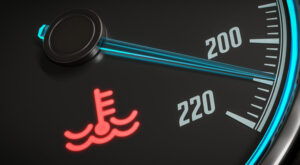
If your temperature gauge rises unexpectedly, you notice a sweet smell around the vehicle or the coolant level keeps dropping, it is worth arranging an inspection.
What are the signs of a coolant leak in a European car?
Common warning signs include:
- Low coolant level: The reservoir level drops repeatedly even after topping up.
- Coolant warning message: A dashboard warning may indicate insufficient coolant or a system fault.
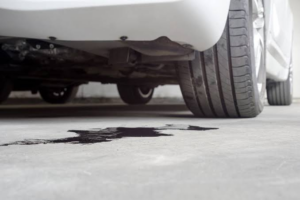
- Visible fluid underneath the car: Coolant may leave a coloured or watery-looking residue, depending on the product used.
- Sweet or unusual smell: Coolant can produce a distinctive smell when it escapes from a hot component.
- Engine overheating: A cooling-system fault can prevent the engine from maintaining its normal operating temperature.
Not every coolant warning means there is an external leak. A faulty sensor or another cooling-system problem may produce similar symptoms, so diagnosis is important.
Why do European cars develop coolant leaks?
Several components may be responsible:
1. Hoses and connections
Coolant hoses and their connections can deteriorate, loosen or develop cracks over time. Heat cycles and age can contribute to wear.
2. Radiator or expansion tank
A damaged radiator, expansion tank or sealing cap may allow coolant to escape. Plastic cooling-system components can also become brittle with age and heat exposure.
3. Water pump or thermostat housing
A leaking water pump or thermostat housing can reduce coolant levels and affect the cooling system’s operation.
4. Internal engine problems
In more serious cases, coolant may enter areas where it should not be. This requires prompt professional investigation.
The exact cause depends on the vehicle model, engine design and condition of its cooling system.
Can you continue driving with a coolant leak?
It depends on the severity, but continuing to drive an overheating vehicle can cause serious engine damage. If the temperature warning appears, the temperature rises abnormally or steam comes from the engine compartment, stop somewhere safe and switch off the engine.
Never open a hot coolant reservoir or radiator cap because pressurised coolant can cause severe burns. If overheating persists or coolant is escaping rapidly, arrange roadside assistance rather than continuing to drive.
How is a coolant leak diagnosed?
A workshop may inspect hoses, connections, the radiator, expansion tank, water pump and other cooling-system components. Depending on the symptoms, a cooling-system pressure test or other diagnostic checks may help locate the leak.
Replacing parts without identifying the source may not resolve the underlying problem. A proper inspection helps determine which component needs attention.
How can regular maintenance help?
Following the manufacturer’s maintenance schedule, checking for warning messages and addressing unexplained coolant loss can help identify problems earlier. Never rely on repeatedly topping up coolant without finding out why the level is dropping.
Need a European car cooling-system inspection in Singapore?
If your BMW, Mercedes-Benz or Audi shows signs of coolant loss or overheating, arrange an inspection before the problem worsens.
Explore Volt Autocare’s European car servicing and repair services or contact the team to discuss your vehicle’s symptoms and arrange an assessment.