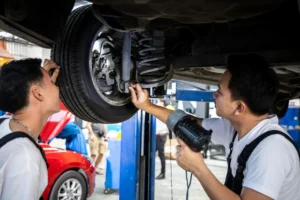
BMW vehicles are engineered to deliver exceptional performance, smooth handling, and an enjoyable driving experience. Whether you own a BMW 1 Series, 3 Series, 5 Series, X3, X5, or an M Performance model, the engine is the heart of your vehicle.
With proper maintenance, a BMW engine can provide many years of reliable service. However, neglecting routine servicing, ignoring warning signs, or delaying repairs can significantly shorten its lifespan and lead to expensive engine repairs.
If you’re wondering how to keep your BMW performing at its best for years to come, this guide covers the essential maintenance practices every owner should follow.
Why BMW Engine Maintenance Is Important
BMW engines are designed with advanced technologies such as:
- Turbocharging
- Direct fuel injection
- Variable valve timing
- Electronic engine management
- High-performance cooling systems
These systems deliver impressive power and fuel efficiency but also require regular maintenance to function correctly.
Routine servicing helps:
- Maintain engine performance
- Improve fuel efficiency
- Reduce engine wear
- Prevent major breakdowns
- Extend engine lifespan
- Protect resale value
Taking care of your BMW today can save you thousands of dollars in future repair costs.
1. Follow the Recommended Service Schedule
The most important way to extend your BMW engine’s life is by following the manufacturer’s recommended servicing schedule.
For most BMW models, servicing is recommended every:
- 10,000–15,000 kilometres, or
- 12 months, whichever comes first.
Routine servicing typically includes:
- Engine oil replacement
- Oil filter replacement
- Fluid level checks
- Brake inspection
- Battery testing
- Diagnostic scan
- General engine inspection
Regular servicing allows technicians to identify small issues before they become major problems.
2. Use High-Quality Engine Oil
Engine oil lubricates moving components, reduces friction, and helps control engine temperature.
Using the correct manufacturer-approved oil is essential for BMW engines, especially turbocharged models.
Benefits of quality engine oil include:
- Better engine protection
- Reduced internal wear
- Improved fuel efficiency
- Smoother performance
- Longer engine life
Avoid delaying oil changes, as old or contaminated oil loses its protective properties.
3. Replace the Oil Filter Every Service
The oil filter removes dirt, carbon deposits, and tiny metal particles from the engine oil.
A clogged oil filter can restrict oil flow and increase engine wear.
Replacing both the engine oil and oil filter during every scheduled service helps keep your engine clean and properly lubricated.
4. Never Ignore Dashboard Warning Lights
Modern BMW vehicles continuously monitor engine performance using advanced sensors.
If warning lights appear, they should never be ignored.
Common warning lights include:
- Check Engine Light
- Oil Pressure Warning
- Engine Temperature Warning
- Battery Warning
- Coolant Warning
Early diagnosis can prevent expensive engine repairs and reduce the risk of unexpected breakdowns.
5. Check Engine Oil Levels Regularly
Even between scheduled services, it’s good practice to check your engine oil level periodically.
Low engine oil may result from:
- Oil leaks
- Normal oil consumption
- Worn engine components
Driving with insufficient oil can cause severe engine damage.
If you notice frequent oil loss, arrange an inspection immediately.
6. Keep the Cooling System in Good Condition
Overheating is one of the fastest ways to damage a BMW engine.
The cooling system consists of:
- Radiator
- Water pump
- Coolant
- Thermostat
- Cooling fan
- Hoses
A failing cooling system can quickly lead to overheating, warped cylinder heads, or engine failure.
Regular inspections help identify coolant leaks and worn components before serious damage occurs.
7. Warm Up the Engine Properly
Avoid aggressive acceleration immediately after starting your BMW.
Allow the engine a few minutes to reach its normal operating temperature before demanding high performance.
Cold engine oil is thicker and does not lubricate engine components as efficiently.
Gentle driving during the first few minutes reduces internal engine wear.
8. Replace Air Filters on Time
Your BMW engine requires a steady supply of clean air for efficient combustion.
A dirty air filter can cause:
- Reduced performance
- Poor fuel economy
- Increased engine strain
- Sluggish acceleration
Replacing the air filter according to the maintenance schedule helps your engine breathe properly.
9. Use High-Quality Fuel
Using good-quality fuel helps reduce carbon deposits inside the engine and fuel system.
Consistently using poor-quality fuel may contribute to:
- Injector deposits
- Reduced engine efficiency
- Rough idling
- Poor acceleration
Quality fuel supports cleaner combustion and smoother engine operation.
10. Drive Smoothly
Driving habits have a significant impact on engine lifespan.
Avoid:
- Hard acceleration
- Sudden braking
- Excessive high-speed driving
- Revving the engine unnecessarily
Smooth driving reduces stress on engine components and improves fuel economy.
11. Repair Oil Leaks Promptly
Oil leaks are one of the most common issues in ageing BMW vehicles.
Common leak locations include:
- Valve cover gasket
- Oil filter housing gasket
- Oil pan gasket
- Turbo oil lines
Ignoring oil leaks can result in low oil levels, overheating, and serious engine damage.
Prompt repairs protect the engine and prevent more expensive repairs later.
12. Replace Worn Spark Plugs
Spark plugs play an important role in combustion.
Old spark plugs may cause:
- Engine misfires
- Rough idling
- Reduced power
- Increased fuel consumption
Replacing worn spark plugs at the recommended intervals helps maintain engine performance and fuel efficiency.
13. Keep the Battery Healthy
Modern BMW engines rely on sophisticated electronic systems.
A weak battery can cause:
- Starting problems
- ECU communication faults
- Warning lights
- Charging system issues
Routine battery testing ensures reliable engine operation.
14. Perform Regular Diagnostic Scans
Many engine problems develop long before noticeable symptoms appear.
Professional diagnostic scans can detect:
- Sensor faults
- Engine management issues
- Fuel system problems
- Ignition faults
- ECU communication errors
Early diagnosis helps prevent larger and more expensive repairs.
15. Choose an Experienced BMW Specialist
BMW engines are highly sophisticated and require specialised knowledge.
A professional BMW workshop provides:
- Manufacturer-level diagnostic equipment
- Experienced technicians
- Genuine or OEM-quality replacement parts
- Accurate fault diagnosis
- Transparent servicing recommendations
Choosing a trusted BMW specialist helps ensure your vehicle receives the correct maintenance and repairs.
Common Mistakes That Shorten BMW Engine Life
Many expensive repairs are caused by avoidable maintenance mistakes.
Avoid these common errors:
- Skipping scheduled servicing
- Ignoring warning lights
- Delaying oil changes
- Driving with coolant leaks
- Using incorrect engine oil
- Ignoring unusual engine noises
- Continuing to drive with oil leaks
- Delaying diagnostic inspections
Preventive maintenance is always more affordable than major engine repairs.
Frequently Asked Questions
How long can a BMW engine last?
With proper maintenance and regular servicing, many BMW engines can last well beyond 200,000 kilometres, and some exceed 300,000 kilometres, depending on driving habits and maintenance history.
How often should I service my BMW?
Most BMW models should be serviced every 10,000–15,000 kilometres or at least once every 12 months, whichever comes first.
What is the most common cause of BMW engine problems?
Delayed maintenance, low engine oil, cooling system failures, oil leaks, and ignoring warning lights are among the most common causes of engine damage.
Can regular servicing improve fuel economy?
Yes. Replacing engine oil, filters, spark plugs, and maintaining the fuel and ignition systems helps improve engine efficiency and fuel consumption.
Is preventive maintenance worth the cost?
Absolutely. Routine servicing costs significantly less than repairing major engine damage caused by neglected maintenance.
Protect Your BMW Engine with Professional Servicing
Your BMW is a precision-engineered vehicle designed to deliver years of outstanding performance when maintained correctly.
Following the recommended service schedule, using quality parts and fluids, responding quickly to warning signs, and choosing an experienced BMW specialist can significantly extend your engine’s lifespan while reducing long-term ownership costs.
At Volt Autocare, we specialise in BMW engine maintenance, diagnostics, servicing, and repairs. Our experienced technicians use advanced diagnostic equipment and genuine or OEM-quality parts to keep your BMW performing at its best. Whether you need routine servicing or a complete engine inspection, we’re here to help.
Book your BMW service with Volt Autocare today and enjoy reliable performance for many years to come.