Your Audi is designed to deliver outstanding performance, precise handling, and exceptional safety. One of the most important systems that makes this possible is the braking system. Whether you’re driving through Singapore’s busy city streets or cruising on the expressway, your brakes must respond quickly and reliably every time you press the pedal.
Unfortunately, brake components wear out over time. Ignoring early warning signs can reduce stopping power, increase repair costs, and compromise your safety.
In this complete Audi Brake Repair Guide, you’ll learn:
- Common Audi brake problems
- Warning signs you should never ignore
- Causes of brake wear
- Brake repair and replacement options
- How often Audi brakes should be serviced
- Tips to extend brake life
- When to visit an Audi specialist in Singapore
If you’ve noticed unusual noises, vibrations, or reduced braking performance, this guide will help you understand the problem before it becomes more serious.
Why Your Audi’s Braking System Is Important
Audi vehicles are equipped with advanced braking technology designed to provide excellent stopping power under all driving conditions.
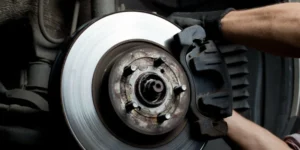
Your braking system consists of several important components working together:
- Brake Pads
- Brake Discs (Rotors)
- Brake Calipers
- Brake Fluid
- ABS (Anti-lock Braking System)
- Brake Hoses
- Brake Sensors
- Electronic Parking Brake (on selected models)
When one component begins to wear or fail, the entire braking system can be affected.
Regular servicing ensures these components continue operating safely and efficiently.
Common Signs Your Audi Needs Brake Repair
Knowing the warning signs can help you prevent expensive repairs and improve road safety.
1. Squealing or Screeching Noises
One of the earliest signs of brake wear is a high-pitched squealing sound when braking.
Possible causes include:
- Worn brake pads
- Dust accumulation
- Brake pad wear indicators
- Glazed brake pads
If the noise continues, schedule an inspection before the pads wear completely.
2. Grinding Noise When Braking
Grinding noises usually indicate that the brake pads have worn down completely.
When this happens, the metal backing plate contacts the brake disc.
Ignoring this problem may result in:
- Damaged brake discs
- Reduced braking performance
- More expensive repairs
Grinding brakes should be inspected immediately.
3. Vibrations While Braking
If you feel vibrations through the steering wheel or brake pedal when slowing down, the brake discs may be uneven or warped.
Common causes include:
- Worn brake discs
- Uneven brake pad wear
- Excessive heat
- Improper installation
Replacing worn components restores smooth braking.
4. Soft or Spongy Brake Pedal
A brake pedal that feels soft or sinks toward the floor is a serious safety concern.
Possible causes include:
- Air in the brake lines
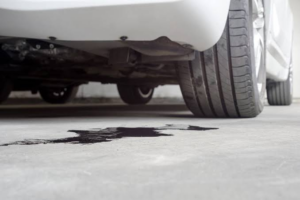
- Low brake fluid
- Brake fluid leak
- Master cylinder issues
This problem requires immediate professional attention.
5. Brake Warning Light
Modern Audi vehicles continuously monitor the braking system.
If the brake warning light appears, it may indicate:
- Low brake fluid
- Worn brake pads
- ABS fault
- Brake sensor issue
A diagnostic inspection should be performed as soon as possible.
6. Increased Stopping Distance
If your Audi takes longer than usual to stop, your braking system may not be performing efficiently.
Potential causes include:
- Worn brake pads
- Contaminated brake fluid
- Damaged brake discs
- Caliper problems
Reduced braking performance should never be ignored.
Common Audi Brake Problems
Although Audi braking systems are engineered for durability, some components naturally wear over time.
Worn Brake Pads
Brake pads experience constant friction every time you slow down.
Typical signs include:
- Squealing sounds
- Reduced braking efficiency
- Brake warning light
Brake pads are wear items and should be replaced before they become excessively thin.
Worn Brake Discs
Brake discs gradually wear after thousands of kilometres.
Symptoms include:
- Vibrations
- Grinding noises
- Uneven braking
- Visible grooves
Replacing worn discs restores braking performance.
Brake Fluid Deterioration
Brake fluid absorbs moisture over time.
Old brake fluid may cause:
- Soft brake pedal
- Reduced braking efficiency
- Internal corrosion
Manufacturers recommend replacing brake fluid periodically as part of scheduled maintenance.
Brake Caliper Problems
Brake calipers apply pressure to the brake pads.
When they become stuck or damaged, symptoms may include:
- Uneven brake wear
- Pulling to one side
- Overheating brakes
- Reduced braking power
Prompt repairs prevent further component damage.
ABS Sensor Failure
Audi’s Anti-lock Braking System improves vehicle stability during emergency braking.
Faulty ABS sensors may cause:
- ABS warning light
- Reduced braking assistance
- Traction control issues
Professional diagnostics identify faulty sensors quickly.
What Causes Audi Brakes to Wear Faster?
Several factors affect brake lifespan.
City Driving
Frequent stop-and-go traffic increases brake usage.
Aggressive Driving
Hard braking generates excessive heat and accelerates wear.
Heavy Loads
Carrying extra weight places greater demand on the braking system.
Driving Conditions
Wet weather and steep roads increase brake usage.
Lack of Maintenance
Ignoring scheduled inspections allows minor issues to develop into larger repairs.
How Often Should Audi Brakes Be Serviced?
Brake inspections should be performed during every scheduled service.
Although replacement intervals vary depending on driving style, many Audi owners may need:
- Brake inspection every service
- Brake pad replacement approximately every 30,000–50,000 km
- Brake disc replacement approximately every 60,000–100,000 km
- Brake fluid replacement every 2 years (or according to the manufacturer’s maintenance schedule)
Regular inspections help identify wear before safety is compromised.
Professional Audi Brake Repair Process
When you visit an experienced Audi workshop, technicians typically perform:
- Computer diagnostic scan
- Brake pad inspection
- Brake disc measurement
- Brake fluid test
- Caliper inspection
- ABS system check
- Road test
- Final safety inspection
This comprehensive process ensures your braking system operates safely.
Why Choose an Audi Specialist?
Audi braking systems are designed with advanced electronic safety features.
Experienced Audi specialists understand:
- Audi braking technology
- Manufacturer service procedures
- Electronic brake systems
- ABS diagnostics
- Genuine and OEM-quality replacement parts
Professional repairs help maintain your Audi’s performance and safety.
Tips to Extend the Life of Your Audi Brakes
You can reduce brake wear by following these simple habits:
- Avoid unnecessary hard braking.
- Maintain a safe following distance.
- Service your Audi regularly.
- Replace brake pads before they wear completely.
- Change brake fluid according to the maintenance schedule.
- Have warning lights inspected immediately.
- Choose quality replacement parts.
- Visit an experienced Audi specialist for inspections.
These practices help improve braking performance and reduce long-term maintenance costs.
Frequently Asked Questions
How do I know if my Audi brake pads need replacing?
Common signs include squealing noises, brake warning lights, reduced braking performance, and visibly worn brake pads.
Can I continue driving with worn brake pads?
Driving with severely worn brake pads is not recommended. Continued use may damage the brake discs and reduce stopping performance.
Why does my Audi vibrate when braking?
Vibrations often indicate worn or uneven brake discs, although suspension or wheel issues may also contribute.
How often should brake fluid be replaced?
Brake fluid should typically be replaced every two years or according to Audi’s maintenance recommendations.
Should I choose genuine or OEM brake parts?
Both genuine and OEM-quality brake components can provide excellent performance when installed by qualified technicians.
Keep Your Audi Safe with Professional Brake Repairs
Your Audi’s braking system is one of its most important safety features. Whether you’ve noticed squealing brakes, vibrations, warning lights, or reduced stopping power, addressing the issue early can prevent more expensive repairs and help keep you safe on the road.
At Volt Autocare, our experienced technicians specialise in Audi brake inspections, diagnostics, repairs, and maintenance. Using advanced diagnostic equipment and high-quality genuine or OEM-quality parts, we ensure your Audi’s braking system performs reliably in every driving condition.
Book your Audi brake inspection today and drive with confidence knowing your vehicle is in expert hands.