BMW Brake Problems: 8 Warning Signs Your Brakes Need Attention
Your BMW is designed to deliver a smooth, responsive and controlled driving experience. But even the most advanced braking system cannot compensate for worn or damaged components.
Brake problems should never be ignored.
A squeaking sound may be caused by worn brake pads. A vibrating steering wheel could indicate a brake disc problem. A soft brake pedal may point to a hydraulic or braking-system issue.
The important thing is recognising the warning signs early.
If you’re searching for BMW brake repair in Singapore, this guide explains the eight most common signs that your BMW brakes need attention, what may be causing them, and when you should stop driving and arrange a professional inspection.
Quick Answer: What Are the Signs of BMW Brake Problems?
The most common warning signs include:
- Squealing or grinding brake noises
- BMW brake warning light
- Steering wheel or brake pedal vibration
- Soft or spongy brake pedal
- Longer stopping distance
- BMW pulling to one side when braking
- Brake pedal pulsation
- Visible brake pad or disc wear
If you notice any of these symptoms, don’t wait for your brakes to become completely worn before having them inspected.
1. Squealing, Screeching or Grinding Brakes
One of the easiest BMW brake problems to notice is unusual noise.
You may hear:
- High-pitched squealing
- Screeching
- Grinding
- Scraping
- Clicking or unusual brake noises
What could cause it?
Brake noise can result from:
- Worn brake pads
- Brake dust
- Brake pad material
- Glazed brake components
- Worn brake discs
- Debris between brake components
- Incorrectly fitted components
A light squeal doesn’t always mean your brakes are dangerous, but grinding should never be ignored.
Grinding can indicate that brake pad material has become severely worn and metal components may be contacting the brake disc.
What should you do?
If your BMW is making persistent or increasingly loud brake noises, arrange a professional BMW brake inspection in Singapore.
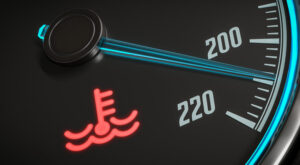
2. BMW Brake Warning Light Appears
Modern BMW vehicles use electronic systems to monitor various aspects of vehicle operation.
If a brake-related warning appears on your dashboard, don’t simply reset or ignore it.
The warning may relate to:
- Brake pad wear
- Brake system fault
- Brake fluid
- Electronic braking components
- Other braking-system conditions
The exact meaning depends on the warning message and BMW model.
A diagnostic scan combined with physical inspection can help identify the cause.
Important:
A BMW brake warning light does not automatically mean you need new brake pads.
The underlying cause should be confirmed first.
3. Steering Wheel Vibrates When Braking
Does your BMW feel smooth during normal driving but the steering wheel starts vibrating when you apply the brakes?
This can be a sign of a brake-related problem.
Possible causes include:
- Brake disc variation
- Disc runout
- Uneven friction material
- Worn suspension components
- Wheel or tyre issues
If the vibration occurs specifically during braking, the brake system should be inspected.
Why does it matter?
Continuing to drive without identifying the cause can affect braking comfort and potentially compromise vehicle control if another underlying problem is present.
4. Brake Pedal Feels Soft or Spongy
A healthy brake pedal should provide a predictable and controlled response.
If the pedal suddenly feels:
- Soft
- Spongy
- Unusually low
- Different from normal
don’t ignore it.
Potential causes can include:
- Air in the braking system
- Brake fluid issues
- Hydraulic system problems
- Brake component wear
- Other braking-system faults
A soft brake pedal can be more serious than normal brake noise.
What should you do?
If your BMW brake pedal feels significantly different from normal, arrange an inspection promptly.
If braking performance has deteriorated substantially, avoid driving the vehicle until it has been professionally assessed.
5. Your BMW Takes Longer to Stop
A noticeable increase in stopping distance is one of the most important brake warning signs.
You may notice:
“I have to press the pedal harder than before.”
Or:
“The car doesn’t stop as quickly as it used to.”
Possible causes include:
- Worn brake pads
- Brake disc problems
- Brake fluid issues
- Tyre problems
- Caliper problems
- Other braking-system faults
Don’t wait for the brake warning light to appear.
If braking performance feels different, have the system inspected.
6. BMW Pulls to One Side When Braking
Does your BMW move left or right when you apply the brakes?
This can indicate uneven braking.
Possible causes include:
- Brake caliper problems
- Uneven brake pad wear
- Brake fluid or hydraulic issues
- Suspension problems
- Tyre-related issues
A vehicle pulling strongly during braking can affect stability and should be investigated.
Don’t simply correct the steering.
The cause needs to be identified.
7. Brake Pedal Pulsates During Braking
A pulsing sensation through the brake pedal can indicate an issue with the braking system.
You may feel:
- Rhythmic pedal movement
- Pulsation
- Shuddering
- Vibration during braking
Possible causes include:
- Brake disc variation
- Uneven braking surfaces
- Wheel-related problems
- Other mechanical issues
A professional inspection can determine whether the brake discs or another component is responsible.
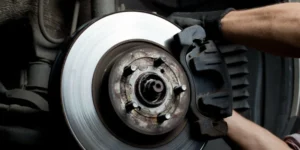
8. Brake Pads or Discs Look Worn
If you can see your BMW’s brake components through the wheel, you may be able to notice obvious signs of wear.
Look for:
- Very thin brake pad material
- Deep grooves on brake discs
- Uneven disc surfaces
- Cracks or visible damage
- Heavy corrosion
- Uneven wear
However, visual inspection alone isn’t always enough.
Some brake wear can occur on the inner pad where it is difficult to see from outside the vehicle.
That’s why professional brake inspections are important.
Why Do BMW Brake Pads Wear Out?
Brake pads are designed to wear gradually because they create friction against the brake disc to slow the vehicle.
Brake pad lifespan varies depending on:
- Driving style
- Traffic conditions
- Vehicle model
- Road conditions
- Brake pad material
- Vehicle weight
- Frequency of braking
Frequent stop-start driving in Singapore can result in more frequent braking compared with longer highway journeys.
How Often Should BMW Brake Pads Be Replaced?
There isn’t one fixed mileage that applies to every BMW.
The replacement interval depends on the:
- BMW model
- Brake system
- Driving habits
- Pad material
- Traffic conditions
- Condition of the brake discs
Instead of replacing brake pads solely according to mileage, their actual condition should be checked.
Many BMW models also have brake wear monitoring systems that can provide an indication when service is required.
BMW Brake Pads vs Brake Discs: What’s the Difference?
Understanding the difference can help BMW owners make sense of brake repair recommendations.
Brake Pads
Brake pads press against the brake disc to create friction and slow the vehicle.
They are wear components and eventually need replacement.
Brake Discs
Brake discs rotate with the wheels and provide the surface against which the brake pads apply friction.
Discs can develop:
- Wear
- Grooves
- Uneven surfaces
- Corrosion
- Excessive runout
Depending on their condition, they may require replacement rather than simply replacing the pads.
Can Worn BMW Brake Pads Damage the Brake Discs?
Yes.
Brake pads are designed to provide a controlled friction surface against the disc.
If pads become severely worn, the underlying components can potentially contact the disc and cause damage.
This can result in:
- Deep grooves
- Scoring
- Reduced braking performance
- Increased repair costs
Replacing worn brake pads before they become severely depleted can help avoid unnecessary damage.
BMW Brake Warning Light vs Brake Pad Wear Warning
These warnings shouldn’t automatically be treated as the same thing.
A BMW may display different warnings depending on the system involved.
A brake pad wear warning can indicate that the wear sensor or monitored brake pad has reached its service threshold.
A broader brake-system warning may indicate another issue.
Always check the exact warning message and have the vehicle diagnosed when necessary.
What Causes BMW Brake Problems in Singapore?
Singapore driving conditions can place considerable demand on braking systems.
Stop-and-Go Traffic
Frequent braking increases brake usage.
Short Journeys
Repeated short trips can affect several vehicle components and may not allow systems to reach normal operating conditions.
Humidity and Rain
Moisture can contribute to surface corrosion when a vehicle sits unused.
Heavy Traffic
Constant acceleration and braking increases brake-system workload.
Driving Style
Aggressive acceleration followed by hard braking can accelerate brake wear.
Is It Safe to Drive With BMW Brake Problems?
It depends on the symptom.
Arrange an inspection soon if:
- Brakes squeak occasionally
- Brake pads are approaching their service limit
- A brake warning appears
- Mild vibration occurs during braking
Stop driving and seek professional assistance if:
- The brake pedal suddenly becomes very soft
- Braking performance is significantly reduced
- You hear severe grinding
- The vehicle pulls strongly during braking
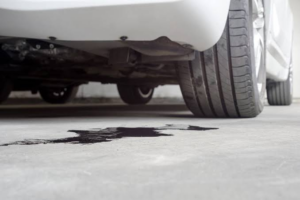
- Brake fluid appears to be leaking
- The brake warning is accompanied by serious braking problems
Brakes are a safety-critical system. If braking performance feels significantly different, don’t take unnecessary risks.
What Happens During a BMW Brake Inspection?
A professional BMW brake inspection can include:
1. Brake Pad Inspection
Technicians check remaining pad thickness and wear patterns.
2. Brake Disc Inspection
Discs are checked for:
- Thickness
- Grooves
- Corrosion
- Uneven wear
- Surface condition
3. Caliper Inspection
The brake calipers and related components are checked for proper operation.
4. Brake Fluid Check
The brake fluid condition and level are inspected.
5. Brake Wear Sensor Check
Where applicable, the brake wear monitoring system is inspected.
6. Road Test
If appropriate, the vehicle may be road-tested to reproduce symptoms such as vibration, pulling or noise.
7. Diagnostic Scan
Electronic brake-related faults can be checked using suitable BMW diagnostic equipment.
How Much Does BMW Brake Repair Cost in Singapore?
There isn’t one fixed price because BMW brake repair depends on:
- BMW model
- Brake pad type
- Brake disc size
- Front or rear brakes
- Parts selected
- Labour
- Wear sensor requirements
- Additional repairs
For example, replacing front brake pads is different from replacing pads and discs on all four wheels.
The best approach is to inspect the vehicle first and provide a repair recommendation based on its actual condition.
Can You Replace BMW Brake Pads Without Replacing the Discs?
Sometimes, yes.
If the brake discs remain within their required specifications and their surface condition is acceptable, replacing only the brake pads may be appropriate.
However, if the discs are excessively worn, damaged, below specification, or have significant surface problems, replacement may also be necessary.
A professional inspection should determine the correct combination.
How to Make Your BMW Brakes Last Longer
You can help reduce unnecessary brake wear with good driving and maintenance habits.
Avoid Unnecessary Hard Braking
Anticipating traffic can reduce repeated heavy braking.
Maintain Correct Tyre Pressure
Tyres play an important role in overall braking performance.
Follow BMW Service Recommendations
Regular inspections can identify brake wear before it becomes severe.
Don’t Ignore Noises
A new squeal or grinding noise shouldn’t become your normal driving soundtrack.
Check Brake Warning Messages
If your BMW displays a brake-related warning, investigate it.
Inspect Brakes During Routine Servicing
Brake inspection should form part of regular vehicle maintenance.
BMW Brake Problems: Quick Diagnostic Guide
| Warning Sign | Possible Cause | Recommended Action |
|---|---|---|
| Squealing brakes | Pad material, dust or wear | Inspect brake pads and discs |
| Grinding noise | Severe pad wear or component contact | Inspect immediately |
| Brake warning light | Pad wear or brake-system fault | Diagnostic inspection |
| Steering vibration | Disc or related mechanical issue | Inspect braking system |
| Soft brake pedal | Hydraulic/fluid/system problem | Prompt professional inspection |
| Longer stopping distance | Pad, disc, tyre or system issue | Brake inspection |
| Pulling while braking | Uneven braking/caliper/tyre issue | Inspect promptly |
| Pedal pulsation | Disc variation or related issue | Brake system inspection |
Frequently Asked Questions
How do I know if my BMW brakes need replacing?
Common signs include squealing or grinding, brake warning messages, vibration, a soft pedal, longer stopping distances, pulling during braking, and visible brake wear.
How long do BMW brake pads last?
There is no universal replacement interval. Brake pad life depends on the BMW model, brake system, driving style, traffic conditions and other factors. Their actual condition should be checked.
Why are my BMW brakes making a squealing noise?
Squealing can have several causes, including brake pad material, dust, glazing, wear or other brake-component conditions. Persistent noise should be inspected rather than automatically assuming the pads need replacement.
Why does my BMW shake when braking?
Brake-related vibration can be associated with brake disc variation or other mechanical issues. A professional inspection can determine the actual cause.
Why does my BMW pull to one side when braking?
Possible causes include uneven braking force, caliper problems, pad wear, tyre issues or suspension-related faults. The vehicle should be inspected to identify the cause.
Is it safe to drive with a BMW brake warning light?
It depends on the specific warning and how the vehicle is behaving. If braking performance is reduced or the pedal feels abnormal, avoid unnecessary driving and seek professional assistance.
How much does BMW brake repair cost in Singapore?
The price depends on your BMW model, whether pads or discs require replacement, the front or rear axle involved, parts selected and any additional repairs required.
Why Choose a BMW Specialist for Brake Service?
BMW braking systems are designed specifically for each vehicle and can involve electronic monitoring alongside mechanical components.
A BMW specialist can provide:
- BMW-compatible diagnostics
- Brake pad and disc inspection
- Brake wear sensor checks
- Caliper inspection
- Brake fluid checks
- Correct BMW-specification parts
- Professional installation
- Road testing
- Clear repair recommendations
The objective isn’t simply to replace parts.
It’s to identify the actual cause of the braking problem and restore safe, predictable braking performance.
Professional BMW Brake Service & Repair in Singapore
Your BMW’s brakes are one of the most important safety systems on the vehicle.
If you’re hearing unusual brake noises, feeling vibration, seeing a brake warning light, or noticing that your BMW doesn’t stop like it used to, don’t wait for the problem to become more serious.
ContiExpert provides professional BMW servicing, diagnostics and brake repair in Singapore. Our team can inspect brake pads, discs, calipers, brake wear sensors and related systems to determine what your BMW needs.
BMW Brakes Making Noise or Feeling Different? Get Them Checked Before It’s Too Late.
Contact ContiExpert today for professional BMW brake inspection and repair in Singapore.
Need Help Now?
WhatsApp ContiExpert to discuss your BMW brake symptoms or arrange a service appointment.