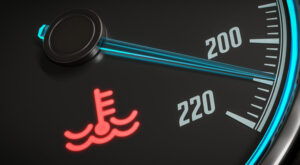
Is your Audi’s temperature gauge rising, or have you noticed an engine temperature warning on your dashboard? Audi engine overheating is a problem that should never be ignored. Even a short drive with excessive engine temperature can cause serious damage to internal engine components.
Whether you drive an Audi A3, A4, A5, A6, Q3, Q5, Q7 or another model, understanding the warning signs can help you take the right action before a minor cooling system issue becomes a major repair.
Singapore’s warm weather, heavy traffic and frequent stop-start driving can place additional demands on your car’s cooling system. If your Audi is running hotter than normal, identifying the cause early is essential.
In this guide, we explain the common causes of Audi engine overheating, symptoms to watch for, what to do when the temperature rises, and when to seek professional Audi diagnostics and repair in Singapore.
Quick Answer: Why Is Your Audi Engine Overheating?
An Audi engine may overheat because of low coolant, a coolant leak, a faulty water pump, a malfunctioning thermostat, a blocked radiator, a cooling fan problem or an issue with the cooling system’s pressure.
What should you do if your Audi overheats? Safely stop the vehicle, switch off the engine and allow it to cool. Do not continue driving with an overheating warning, and never open the coolant reservoir cap while the engine is hot. Arrange a professional inspection if the warning persists or coolant is leaking.
The correct repair depends on the underlying cause, so proper diagnosis is important before replacing parts.
1. Common Symptoms of Audi Engine Overheating
Your Audi may show several warning signs before or during an overheating event.
Rising Engine Temperature
If the temperature gauge rises above its normal operating range or a temperature warning appears, your engine may not be cooling correctly. Follow the dashboard warning instructions and stop safely if overheating is indicated.
Coolant Warning Light
A coolant warning may indicate a low coolant level, excessive temperature or another cooling system issue, depending on the message displayed. Check the specific warning rather than assuming every coolant alert means the engine is overheating.
Steam Coming From Under the Bonnet
Steam may indicate that coolant is escaping from a hot cooling system. Pull over safely and switch off the engine. Do not open the bonnet if doing so would expose you to steam or escaping hot coolant.
Coolant Puddles Under Your Audi
Pink, purple or other coloured fluid beneath your vehicle may be coolant, although colour alone cannot confirm the fluid type. A leak may come from a hose, radiator, water pump, reservoir or another cooling system component.
Unusual Sweet Smell
Coolant can have a sweet smell. If you notice this smell alongside a coolant warning, visible leakage or rising engine temperature, arrange an inspection.
Reduced Engine Performance
An overheating engine may reduce power or enter a protective operating mode. If the temperature warning appears alongside a loss of power, stop driving when safe and seek professional assistance.
2. What Causes Audi Engine Overheating?
Understanding the possible causes helps you recognise why a professional cooling system inspection is important.
1. Low Engine Coolant
Coolant absorbs heat from the engine and transfers it to the cooling system. If the coolant level is too low, the system may struggle to control engine temperature.
Possible reasons include:
- A coolant leak
- Incorrect coolant filling or previous maintenance issues
- A leaking expansion tank
- A faulty pressure cap
- An unresolved cooling system fault
Simply topping up the coolant may not solve the problem if the level continues to fall. The cause should be identified.
2. Coolant Leaks
A coolant leak is one of the common reasons an Audi may overheat. Depending on the engine and model, leaks can occur around hoses, radiators, connections, the expansion tank or the water pump.
Look for repeated low-coolant warnings, visible fluid beneath the car or dried coolant residue around cooling system components.
A pressure test and visual inspection may help locate a leak that is difficult to see when the engine is cold.
3. Faulty Water Pump
The water pump circulates coolant through the engine and cooling system. If it fails or does not circulate coolant correctly, heat may build up.
Possible warning signs include:
- Rising engine temperature
- Coolant leakage near the pump
- Repeated overheating
- Unusual noises, depending on the type of failure
Water pump designs vary between Audi engines. A qualified technician should confirm the fault before recommending replacement.
4. Malfunctioning Thermostat
The thermostat helps regulate coolant flow according to engine temperature. If it sticks closed or otherwise fails to operate correctly, coolant circulation may be restricted and the engine may overheat.
A thermostat issue can sometimes produce temperature fluctuations or slow warm-up as well as overheating. Diagnostic checks are needed to distinguish it from other cooling system faults.
5. Radiator Problems
The radiator releases heat from the coolant into the surrounding air. Overheating may occur if the radiator is leaking, internally restricted or unable to transfer heat efficiently.
Potential causes include:
- Coolant deposits or contamination
- External blockage from dirt and debris
- Corrosion or damage
- Restricted coolant flow
The radiator and the rest of the cooling circuit should be checked before deciding whether cleaning or replacement is appropriate.
6. Cooling Fan Failure
The radiator fan helps move air through the radiator, particularly when the vehicle is stationary or travelling slowly.
If the fan motor, control module, wiring or related components fail, cooling performance may suffer. One possible clue is an engine that becomes hotter in traffic but runs cooler at higher road speeds, although this pattern alone does not confirm a fan fault.
7. Air Trapped in the Cooling System
Air pockets can interfere with proper coolant circulation and temperature regulation. They may occur after cooling system repairs or incorrect coolant filling.
Some Audi cooling systems require a specific filling or bleeding procedure. Using the correct procedure helps reduce the risk of further overheating.
8. Coolant Temperature Sensor or Electrical Fault
A faulty sensor or wiring problem can cause inaccurate temperature readings or incorrect cooling fan operation.
However, a warning should never be dismissed as an electrical fault without checking the actual engine temperature. A technician can compare sensor readings with other diagnostic information and inspect the cooling system.
9. Damaged Hoses or Connections
Cooling system hoses and connectors can deteriorate, crack or leak over time. Heat and pressure may make an existing weakness more noticeable.
If coolant loss repeatedly returns after topping up, the system should be inspected for leaks rather than treated as a routine maintenance issue.
10. Internal Engine Damage
In severe cases, overheating can damage the cylinder head gasket, cylinder head or other internal components. Internal engine problems can also contribute to coolant loss or overheating.
Possible warning signs include persistent overheating, unexplained coolant loss, white exhaust vapour after the engine is fully warm, or abnormal engine operation. These symptoms are not conclusive on their own and require professional diagnosis.
3. Why Audi Overheating Can Be More Noticeable in Singapore
Singapore’s tropical climate and urban driving conditions can increase the demands placed on an engine cooling system.
Hot and Humid Weather
The cooling system must transfer heat from the engine to the surrounding air. High ambient temperatures can reduce the temperature difference available for heat transfer.
Stop-Start Traffic
During slow traffic, less natural airflow passes through the radiator. The cooling fan therefore plays an important role in maintaining temperature.
Frequent Short Trips
Repeated short journeys can create demanding operating patterns, particularly when combined with congestion and high ambient temperatures. A cooling system fault may become more noticeable under these conditions.
Ageing Cooling System Components
Rubber hoses, seals, plastic connectors and other components can deteriorate over time. Regular inspections and timely maintenance help identify developing issues.
Important: Singapore’s climate does not automatically mean an Audi should overheat. A healthy cooling system should manage normal operating conditions. Repeated overheating deserves investigation.
4. What Should You Do If Your Audi Overheats While Driving?
Take these steps if your Audi displays an overheating warning.
- Find a safe place to stop. Pull over as soon as it is safe to do so, following the dashboard warning instructions.
- Switch off the engine. Do not continue driving in an attempt to reach your destination.
- Keep clear of steam and hot coolant. If steam is escaping, do not open the bonnet until it is safe.
- Never open the coolant reservoir cap while hot. The cooling system may be pressurised and release scalding coolant or steam.
- Allow the engine to cool completely. Do not pour cold water over a hot engine or attempt an improvised repair.
- Arrange professional assistance. If the warning persists, coolant is leaking or the engine has overheated significantly, arrange roadside assistance or recovery.
Do not rely on the temperature gauge dropping temporarily as proof that the problem has been fixed. An underlying fault may cause the engine to overheat again.
5. How Is Audi Engine Overheating Diagnosed?
The correct repair starts with identifying the cause rather than replacing parts based on symptoms alone.
A professional Audi cooling system inspection may include:
| Diagnostic check | What it helps identify |
|---|---|
| Coolant level and condition | Low coolant, contamination or signs of a problem |
| Cooling system pressure test | External leaks and pressure-related faults |
| Diagnostic scan | Relevant fault codes and sensor readings |
| Water pump inspection | Leakage, damage or circulation problems |
| Thermostat assessment | Possible coolant-flow regulation issues |
| Radiator and fan checks | Restricted heat transfer or insufficient airflow |
| Hose and connection inspection | Cracks, loose connections and coolant leaks |
| Further engine testing, if required | Possible internal engine damage |
Not every Audi needs every test. The diagnostic process depends on the model, engine, symptoms and initial findings.
A fault code can provide useful information, but it does not always identify the failed component by itself. Test results should be considered alongside the vehicle’s symptoms and physical inspection.
6. How Much Does Audi Engine Overheating Repair Cost in Singapore?
The cost of Audi overheating repair in Singapore depends on the cause, vehicle model, engine type, parts required and labour involved.
For example, resolving a minor coolant leak may involve a different amount of work from replacing a water pump, radiator or thermostat. If severe overheating has caused internal engine damage, repairs may be substantially more complex.
Before approving work, ask the workshop to explain:
- The confirmed or suspected cause of overheating
- Which components need repair or replacement
- Whether additional diagnostic tests are required
- The estimated parts and labour costs
- Whether the repair includes coolant replacement and the required bleeding procedure
- What checks will be performed after the repair
Avoid choosing a repair based only on the cheapest initial quote. An accurate diagnosis can help prevent unnecessary parts replacement and recurring problems.
For an assessment of your vehicle, contact ContiExpert through WhatsApp and provide your Audi model, year, symptoms and any dashboard warning messages.
7. Can You Continue Driving an Audi That Is Overheating?
No. You should not continue driving when your Audi displays an engine overheating warning or the temperature rises beyond its normal range.
Continuing to drive can increase the risk of serious engine damage, including cylinder head or head gasket problems.
If you notice only a low-coolant warning and the engine temperature remains normal, follow the exact instructions displayed by the vehicle. If the coolant level is falling, a leak is visible or you are unsure whether the car is safe to drive, stop when safe and seek professional advice.
Never assume that an Audi is safe to drive simply because the warning disappears after restarting the engine.
8. How Can You Help Prevent Audi Engine Overheating?
Regular maintenance can help identify cooling system problems before they become more serious.
Check Coolant Level When the Engine Is Cold
Follow the owner’s manual for the correct checking procedure. If the level repeatedly falls, arrange an inspection rather than continually topping it up.
Use the Correct Coolant
Audi models may require specific coolant specifications. Use a compatible product recommended for your vehicle, and avoid mixing coolant types unless the manufacturer’s guidance permits it.
Inspect Hoses and Connections
Ask for hoses, clamps, the expansion tank and visible connections to be checked during relevant maintenance.
Respond to Warning Lights Promptly
Do not ignore a temperature warning, recurring coolant alert or unexplained change in engine behaviour.
Follow the Recommended Service Schedule
Scheduled maintenance helps technicians identify wear, leaks and other developing problems. The appropriate inspection and replacement intervals vary by model and engine.
Investigate Repeated Coolant Loss
Coolant should not repeatedly disappear without a reason. Even if the engine appears to run normally, unexplained coolant loss deserves attention.
9. Why Choose a European Car Specialist for Audi Cooling System Problems?
Audi vehicles use model-specific engine management and cooling system designs. Accurate diagnosis may require suitable diagnostic equipment, knowledge of the particular engine and the correct repair procedures.
When choosing a workshop in Singapore, look for one that can:
- Diagnose the cause before recommending repairs
- Explain the findings in straightforward language
- Check related cooling system components
- Provide a clear quotation before carrying out work
- Verify the repair and check for recurring leaks or abnormal temperatures
ContiExpert serves the European car maintenance and repair audience in Singapore. If your Audi is overheating, contact the team to discuss your symptoms and the appropriate next step.
Visit the ContiExpert Services page or use the Contact page to get in touch.
Frequently Asked Questions About Audi Engine Overheating
1. Why is my Audi engine overheating in Singapore?
Common causes include low coolant, coolant leaks, a faulty water pump, a malfunctioning thermostat, radiator problems and cooling fan failure. A diagnostic inspection is needed to identify the exact cause.
2. Can low coolant cause an Audi to overheat?
Yes. Low coolant can reduce the cooling system’s ability to remove engine heat. The reason for the low level should also be investigated because a leak or another fault may be responsible.
3. Why does my Audi overheat in traffic but cool down when driving?
One possible cause is a cooling fan problem because the radiator receives less natural airflow at low speeds. However, coolant circulation, radiator performance and other issues can produce similar symptoms.
4. Can I drive my Audi to the workshop if it is overheating?
It is safer not to drive an overheating vehicle. Stop when safe, switch off the engine and arrange professional assistance or recovery if an overheating warning is displayed or the temperature is above normal.
5. How do I know if my Audi water pump is faulty?
Possible signs include overheating, coolant leakage near the pump or repeated cooling system problems. These symptoms can have other causes, so a proper inspection is needed to confirm water pump failure.
6. Does Audi overheating always mean the engine is damaged?
No. Some overheating problems are caused by repairable cooling system faults. However, continuing to drive while the engine is too hot can cause serious damage, so the problem should be addressed promptly.
7. Can a faulty thermostat cause Audi engine overheating?
Yes. A thermostat that fails to regulate coolant flow correctly can contribute to overheating. Other cooling system components should also be checked before confirming the diagnosis.
8. What coolant should I use for my Audi?
Use coolant that meets the specification required for your particular Audi model and engine. Check the owner’s manual or ask a qualified technician rather than choosing coolant based on colour alone.
9. How much does Audi overheating repair cost in Singapore?
There is no single price for every Audi. The cost depends on the fault, vehicle model, parts, labour and whether overheating has caused additional damage. Request a diagnosis and itemised quotation before approving repairs.
10. Where can I get help with Audi engine overheating in Singapore?
You can contact ContiExpert through its Contact page to discuss your Audi’s symptoms and enquire about the next steps for inspection and repair.
Is Your Audi Overheating? Get Advice Before the Problem Gets Worse
An overheating warning is not something to ignore. Whether the issue involves coolant loss, a water pump, thermostat, radiator or another component, finding the cause early can help reduce the risk of more extensive damage.
If your Audi is running hot, losing coolant or displaying a temperature warning, contact ContiExpert to discuss the problem.
Contact ContiExpert today:
- Website: contiexpert.sg
- Services: View Services
- Contact: Get in Touch
Prefer WhatsApp? Use the WhatsApp contact option on the website and share your Audi model, year, symptoms and dashboard warning message. If the engine is overheating, stop driving and arrange assistance rather than driving to the workshop.
ContiExpert — European car maintenance and repair in Singapore.