Your brakes are among the most important safety systems in your vehicle. Whether you drive a BMW, Mercedes-Benz, Audi or another European car, worn brake pads or damaged brake discs can affect braking performance and should be checked promptly.
There is no single mileage that applies to every car. Brake wear depends on driving habits, traffic conditions, vehicle weight, brake components and maintenance history.
What are the signs that your brake pads need replacing?
Watch for these common warning signs:
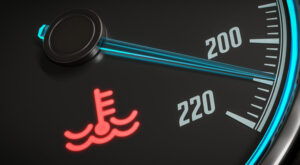
- Brake wear warning: Some vehicles display a dashboard message when a brake pad wear sensor detects that replacement may be needed.
- Squealing or grinding: A high-pitched noise can indicate wear, while grinding may point to serious contact between components.
- Vibration when braking: This may be associated with disc surface problems or other braking and suspension issues.
- Longer stopping distance: Changes in braking response require prompt investigation.
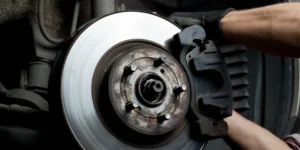
- Visible wear: If the pads can be inspected safely, thin friction material may indicate the need for replacement.
These symptoms do not always mean the brake pads alone are responsible. A professional inspection should assess the full braking system.
Do brake discs need to be replaced with brake pads?
Not always. Brake discs can sometimes remain in service when they are within the manufacturer’s specifications and have no unacceptable damage.
However, discs may require replacement if they are below the minimum permitted thickness, cracked, severely scored or otherwise unsuitable for continued use. The condition of the pads and discs should be assessed together to determine the correct repair.
Replacing only the pads without checking the discs may leave an existing braking problem unresolved.
How long do European car brake pads last?
Brake pad lifespan varies considerably. Frequent stop-and-go driving, heavy braking, steep routes and a heavier vehicle can increase wear. Drivers who mainly travel at steady speeds may experience a different wear pattern.
Rather than relying only on a mileage estimate, follow the manufacturer’s inspection schedule and have the pads checked whenever a brake warning appears or braking performance changes.
Why do European cars sometimes show brake wear warnings?
Some BMW, Mercedes-Benz and Audi models use electronic brake wear sensors. These sensors can alert the driver when the pads reach a specified wear threshold.
The exact warning system depends on the model and year. After repairs, the technician should follow the appropriate procedure for the vehicle, including checking any relevant sensors and warning messages.
Is it safe to drive with worn brakes?
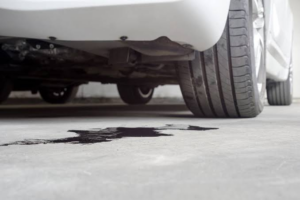
Brake problems can compromise safety. If you experience grinding, a significant change in pedal feel, reduced braking response, a brake-system warning or visible fluid leakage, stop somewhere safe and arrange professional assistance.
Do not continue driving simply because the vehicle still moves. Braking faults should be assessed before the car returns to normal use.
How can regular brake inspections help?
Routine inspections can identify uneven pad wear, disc damage, fluid leaks and other problems before they become more serious. They also help determine whether replacement is necessary now or whether components remain within the applicable service limits.
Need European car brake servicing in Singapore?
If your brake warning light is on, you hear unusual braking noises or you are unsure about pad and disc condition, arrange an inspection.
Explore Volt Autocare’s European car servicing and repair services or contact the team to discuss brake inspection and repair options for your vehicle.