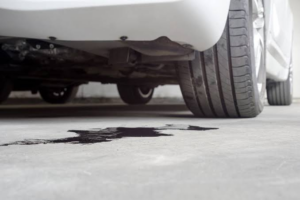
Noticing a dark patch beneath your parked car can be worrying. If you drive a BMW, Mercedes-Benz, Audi or another European vehicle, an engine oil leak should not be ignored, even if the car appears to drive normally.
An oil leak may start with a minor seal problem, but continued oil loss can affect lubrication and potentially damage engine components. Identifying the source early helps you understand the repair required.
How can you tell if your car is leaking engine oil?
Look for these possible signs:
- Dark or oily spots where the vehicle has been parked.
- An engine oil level that drops between checks.
- An oil warning light or low-oil message.
- A burnt-oil smell, particularly after driving.
- Smoke or vapour from the engine compartment if leaking oil reaches hot surfaces.
- Visible oily residue around parts of the engine.
Fluid colour alone cannot confirm that a leak is engine oil. Transmission fluid, coolant and other automotive fluids can also leave marks, so the source should be identified before repairs begin.
What causes engine oil leaks in BMW, Mercedes-Benz and Audi vehicles?
1. Worn gaskets and seals
Gaskets and seals help prevent oil from escaping where engine components join. As they age, they can harden, deteriorate or lose their ability to seal properly.
2. Oil filter housing or filter seal
A damaged or incorrectly fitted filter seal can cause oil to leak around the filter housing. The appropriate repair depends on the design of the engine and the condition of the components.
3. Valve cover gasket
Oil escaping from the valve cover area may spread over nearby engine components. If it reaches a hot surface, it can create a noticeable burnt-oil smell.
4. Oil pan or drain plug
A damaged oil pan, worn sealing washer or incorrectly secured drain plug may cause oil to escape, sometimes following maintenance work.
5. Excessive crankcase pressure
Problems with crankcase ventilation can contribute to oil leaks or worsen existing sealing issues. A technician may need to investigate the ventilation system alongside the visible leak.
Is it safe to drive with an engine oil leak?
A small leak may not immediately affect how the car drives, but its seriousness cannot be judged by the size of the puddle alone.
If the oil pressure warning appears, stop safely and switch off the engine as soon as it is safe to do so. Continuing to run an engine with inadequate oil pressure can cause severe damage. If oil is leaking rapidly or reaching hot components, avoid driving until the vehicle has been assessed.
Follow your owner’s manual for checking oil levels and do not overfill the engine.
How do workshops identify the source of an oil leak?
A technician may inspect the engine, check the oil level, look for fresh oil residue and clean affected areas to trace the source. In some cases, additional diagnostic methods may be needed to distinguish a leak from oil that has spread from another component.
It is important to identify the actual source before replacing seals or gaskets. Oil can travel across an engine, making the visible wet area different from the point where the leak begins.
How can you reduce the risk of oil-related engine damage?
Follow the manufacturer’s oil service schedule, use the specified oil grade, monitor warning messages and arrange an inspection if the level drops unexpectedly. After an oil service, pay attention to new leaks or unusual smells.
Book a European car inspection in Singapore
If you notice oil beneath your vehicle, an unexplained drop in oil level or an engine oil warning, have the cause assessed rather than repeatedly topping up without investigation.
Visit Volt Autocare’s servicing and repair page or contact the workshop to discuss the symptoms and next steps.