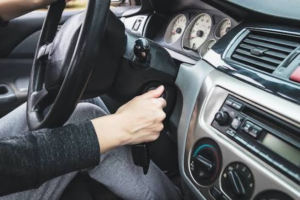
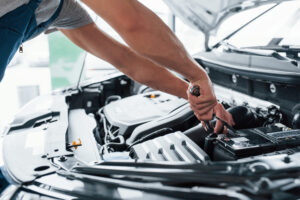
You press the start button, but your car does not respond. Perhaps the dashboard lights turn on while the engine remains silent. Maybe you hear rapid clicking, or the engine cranks but refuses to start.
Starting problems can be especially frustrating when you rely on your car for daily travel around Singapore.
A vehicle that will not start may have a weak battery, a starter-system fault, a fuel-delivery issue, an immobiliser problem or an engine-management fault. The symptoms can provide useful clues, but accurate diagnosis is needed before replacing parts.
This guide explains common European car starting problems, what the warning signs may mean and when to seek professional help.
Quick Answer: Why Won’t My European Car Start?
Common reasons a European car will not start include:
- A weak or discharged battery.
- A faulty starter motor or starter circuit.
- Loose or damaged electrical connections.
- Fuel-delivery problems.
- Ignition or engine-management faults.
- Key recognition or immobiliser issues.
- Sensor or wiring faults that prevent the engine from starting.
First, observe whether the engine is completely silent, clicks, cranks slowly or cranks normally without starting. These differences can help a technician narrow down the likely cause.
1. Weak or Discharged Battery
A weak battery is one of the first things to investigate when a car refuses to start.
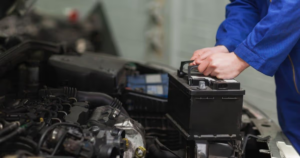
The battery supplies the electrical power needed to start the engine and supports many electronic systems. If its charge is insufficient, the starter may turn slowly or fail to operate.
Common symptoms
- The engine cranks slowly.
- Dashboard lights dim when you try to start the car.
- You hear repeated clicking.
- Electrical systems behave inconsistently.
- The vehicle has been unused for an extended period.
A battery can lose performance with age, and its condition may also be affected by charging-system problems or an electrical drain.
What should you do?
Have the battery tested rather than replacing it based only on symptoms. A workshop can assess battery condition and charging performance and check whether another fault is contributing to the problem.
Some modern European vehicles require battery registration or coding after replacement, depending on the model and battery-management system.
2. Starter Motor or Starter Circuit Problems
If the dashboard lights work but the engine does not crank, the issue may involve the starter motor or its electrical circuit.
Possible causes include a faulty starter motor, a relay or wiring issue, a poor electrical connection or another starting-system fault.
A single click when you press the start button may be consistent with a starter-related problem, but it can also occur with a weak battery or poor connection.
Professional testing can help identify whether the starter motor is receiving the correct power and control signals.
3. The Engine Cranks but Will Not Start
Sometimes the starter motor turns the engine, but combustion does not begin.
This is different from a vehicle that does not crank at all.
Possible causes include:
- Insufficient fuel delivery.
- Ignition-system faults in petrol engines.
- Engine-management or sensor problems.
- Immobiliser or key-recognition issues.
- Timing or compression-related faults.
Modern European vehicles rely on several systems working together before the engine can start. A diagnostic scan, combined with appropriate mechanical testing, can help locate the problem.
Avoid repeatedly cranking the engine for long periods, as this may drain the battery and put additional strain on the starting system.
4. Fuel Delivery Problems
The engine needs an adequate supply of fuel to start and run correctly.
A problem with the fuel pump, fuel pressure, injector operation or related electrical components may prevent the engine from starting.
Possible signs include prolonged cranking, an engine that starts and then stalls, or previous hesitation and loss of power.
Do not attempt to inspect pressurised fuel components yourself. Fuel-system diagnosis should be performed with suitable equipment and safety procedures.
5. Ignition or Engine-Management Faults
Petrol engines require the correct ignition conditions for combustion. If an ignition component or engine-management system develops a fault, the engine may crank without starting or may start inconsistently.
Possible causes include:
- Spark plug or ignition coil problems.
- Faulty crankshaft or camshaft position signals.
- Wiring or electrical connection faults.
- Engine-control system problems.
A dashboard warning light may provide useful information, but the absence of a warning light does not rule out a fault.
A workshop can check stored fault codes and test the relevant systems before recommending repairs.
6. Key Recognition or Immobiliser Problems
Modern vehicles often use electronic keys and security systems that must recognise an authorised key before allowing the engine to start.
If the key battery is weak, the key is not recognised or an immobiliser-related fault occurs, the vehicle may refuse to start.
Depending on the vehicle, you may see a dashboard message or security indicator.
Follow the vehicle manufacturer’s instructions for the backup key-recognition procedure, if available. If the problem continues, the key, receiver, security system or associated electronics may need inspection.
7. Alternator or Charging-System Problems
A car may start normally one day and fail to start later because the battery has not been charged properly.
A faulty alternator, charging-system connection or another electrical problem may cause the battery to discharge during use.
Clues may include a battery warning light, repeated starting failures or electrical issues before the vehicle stops starting.
Replacing the battery alone may not resolve the problem if the charging system is faulty. Both systems should be checked when the symptoms suggest a charging issue.
8. Why Does My European Car Start Sometimes but Not Others?
Intermittent starting problems can be difficult to diagnose because the vehicle may behave normally during an inspection.
Possible causes include a deteriorating battery, an intermittent electrical connection, a starter fault, a sensor problem or a key-recognition issue.
Record when the fault occurs:
- After the car has been parked overnight.
- After a short stop.
- When the engine is hot.
- After heavy electrical use.
- Alongside a dashboard warning or unusual sound.
This information can help a technician reproduce the issue and choose the appropriate tests.
European Car Starting Symptoms: What They May Mean
| Symptom | Possible causes |
|---|---|
| No response when starting | Battery, electrical supply, key recognition or starting circuit |
| Rapid clicking | Weak battery or poor electrical connection |
| One click but no cranking | Starter circuit, battery or connection issue |
| Slow engine cranking | Weak battery, connection or starter problem |
| Engine cranks but will not start | Fuel, ignition, sensor, security or mechanical fault |
| Starts with a jump but fails again | Battery, charging system or electrical drain |
| Starts when cold but not when hot | Heat-related electrical, starter, sensor or fuel-system issue |
These are diagnostic clues, not definitive conclusions. Different faults can produce similar symptoms.
What Should You Do When Your Car Won’t Start?
- Park safely and switch off unnecessary electrical accessories.
- Check the dashboard for warning messages.
- Observe whether the engine is silent, clicks or cranks.
- Avoid repeated long starting attempts.
- Do not attempt a jump-start unless the vehicle manufacturer’s instructions permit it and you can follow the correct procedure.
- Arrange professional diagnosis if the vehicle remains unable to start.
European vehicles may have specific jump-start points and electrical-system precautions. Always follow the owner’s manual.
Frequently Asked Questions
Why won’t my BMW, Mercedes or Audi start?
Possible causes include a weak battery, starter-system fault, fuel-delivery problem, ignition fault, sensor issue or electronic security problem. The exact cause depends on the symptoms and diagnostic results.
My car has dashboard lights but won’t start. Is the battery still the problem?
Yes, it can be. Dashboard lights may operate even when the battery cannot supply sufficient current to crank the engine. Battery and starting-system testing can help identify the cause.
Why does my car click but not start?
Clicking may indicate a weak battery, poor electrical connection or starter-system fault. The pattern of the clicking and the battery’s condition can help narrow down the problem.
Can a faulty sensor stop a European car from starting?
Yes. Some sensor signals are essential for engine control and starting. Testing is needed to determine whether a sensor or its wiring is responsible.
Should I replace the battery every time my car won’t start?
No. A battery test and inspection of the charging and starting systems can help establish whether replacement is necessary.
Need European Car Diagnostics in Singapore?
A car that will not start may have a straightforward battery issue or a more complex electrical, fuel or engine-management fault. Correct diagnosis helps avoid unnecessary parts replacement.
Volt Autocare provides European car servicing, diagnostics and repairs for Mercedes-Benz, BMW, Audi and other supported vehicles.
Visit Volt Autocare’s services page to learn more or arrange an inspection.
Contact Volt Autocare — Professional European Car Diagnostics and Repairs in Singapore.