Finding a reliable motor workshop in Singapore can feel overwhelming. With so many options, how do you know who to trust with your vehicle? A car is a significant investment, and choosing the right workshop is crucial for its performance and longevity. This guide simplifies the process, helping you choose a reliable motor workshop by comparing specialists vs. generalists and providing a 7-step checklist for making a confident decision.
How to Choose a Motor Workshop: A Quick Checklist
Before diving deep, here is a quick checklist to keep in mind when you start your search for a “motor workshop near me.”
- First, decide: Specialist or Generalist workshop? Understand the fundamental difference and which one your car needs.
- Check for expertise with your specific car brand. A workshop that knows your car’s common issues is invaluable.
- Read recent online reviews on Google and SGCarMart. See what other car owners are saying about their experiences.
- Ask for a detailed quote before agreeing to any work. Transparency in pricing is a sign of a trustworthy business.
- Confirm they offer a warranty on parts and labour. A good workshop will always stand by the quality of its work.
Specialist vs. Generalist Workshop: Which is Right for You?
The first and most important decision is whether to use a specialist or a generalist workshop. General workshops are equipped to service all car makes and models, making them a suitable choice for basic, routine maintenance tasks like oil changes or tyre rotations on common vehicles. They offer convenience and broad service capabilities.
Specialist workshops, on the other hand, focus on specific brands, such as European cars like Mercedes-Benz, BMW, and Audi. They possess deep expertise, manufacturer-specific tools, and access to genuine parts that generalists may not have. For complex issues or high-performance vehicles, a specialist is almost always the better choice.
Why European Cars (Mercedes, BMW, Audi) Need a Specialist
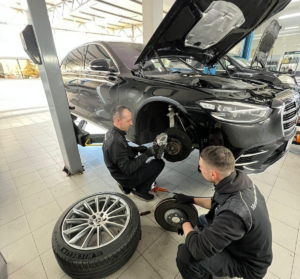
European cars are renowned for their engineering and performance, but they also come with complex electronics and sophisticated engine systems. Servicing these vehicles requires more than just standard tools; it demands advanced diagnostic equipment to accurately troubleshoot issues without guesswork. A specialist understands the common quirks and potential problems specific to these models, ensuring your vehicle receives the precise care it needs. This expert attention maintains performance, ensures reliability, and ultimately protects the value of your investment.
7 Steps to Finding a Trusted Motor Workshop Near You
Use this detailed checklist to thoroughly evaluate any workshop you are considering. Following these steps will help you avoid common pitfalls and find the best possible service for your car.
1. Verify Their Specialisation
Before you even make a call, check the workshop’s website and marketing materials. Do they clearly state which car brands they service? Look for specific mentions of Mercedes-Benz, BMW, Audi, or other European makes. A true specialist proudly displays their expertise because it is their main selling point. A vague website that lists every car brand under the sun is likely a generalist.
2. Scrutinise Online Reviews and Reputation
Look for recent and detailed reviews from other owners of the same car brand. Pay close attention to comments about honesty, pricing accuracy, communication, and the quality of the repair. A few negative reviews are normal, but a pattern of complaints about upselling or incomplete work is a major red flag. Ignore workshops with consistently poor or overly vague feedback.
3. Confirm Their Technicians are Skilled
Don’t be afraid to ask about the experience and training of the mechanics who will be working on your car. Experienced technicians can diagnose problems faster and more accurately, which saves you time and money by avoiding unnecessary repairs or part replacements. A reputable workshop will be happy to speak about their team’s qualifications.
4. Ask About Parts: Genuine, OEM, or Aftermarket?
Understanding the types of parts used is crucial. Genuine parts are made by the car manufacturer and are identical to the ones your car was built with. OEM (Original Equipment Manufacturer) parts are made by the same company that produces them for the manufacturer but without the car brand’s logo. Specialist workshops often use genuine or high-quality OEM parts to ensure perfect fit and function, which is essential for maintaining your car’s performance.
5. Demand Transparent Pricing
A reliable workshop will always provide a clear, itemised quote before beginning any work. They should also have a policy of calling you for approval before proceeding with any extra repairs that were not on the original estimate. Avoid any workshop that gives vague, verbal-only estimates or pressures you into immediate decisions.
6. Check for a Service Warranty
Reputable workshops stand behind their work with a service warranty. This provides you with peace of mind, knowing that if an issue reoccurs shortly after the repair, they will fix it. Always ask about the warranty period that covers both the parts and the labour involved in the service.
7. Volt Autocare: Your European Car Specialist in Singapore
At Volt Autocare, we are dedicated specialists for Mercedes-Benz, BMW, and Audi vehicles. Our skilled technicians use advanced, manufacturer-grade diagnostic tools to ensure every issue is identified correctly the first time. We guarantee reliable, high-quality repairs by using genuine and OEM parts, giving you confidence in your car’s performance and safety. If you are looking for an expert you can trust with your European car, look no further. Book your service with our expert team today.
Frequently Asked Questions
Will using an independent workshop void my car’s warranty?
In most cases, no. As long as the independent workshop uses genuine or OEM parts and follows the manufacturer’s recommended service schedule, your warranty should remain intact. A specialist workshop is well-versed in these requirements.
Is it cheaper to service my car at a specialist or a general workshop?
While a specialist’s hourly rate may sometimes be higher, they can often be more cost-effective in the long run. Their expertise allows for faster diagnosis and prevents unnecessary repairs, saving you money on both labour and parts.
How often should I service my car in Singapore’s climate?
Singapore’s hot and humid climate, combined with stop-and-go city driving, can be harsh on a vehicle. It is best to follow your manufacturer’s recommended service intervals, which are typically every 10,000 km or 12 months, whichever comes first.
What are the most common car repairs needed in Singapore?
Common repairs include air-conditioning servicing, battery replacement (due to heat), brake pad and rotor changes, and addressing issues related to engine oil leaks and electronic components.
Can I supply my own parts to a workshop?
Some workshops may allow this, but many do not. This is because they cannot offer a warranty on the labour or the part itself if they did not source it, as they cannot verify its quality or authenticity.
Choosing the right motor workshop is a critical decision for any car owner. By focusing on specialisation, reputation, and transparency, you can ensure your vehicle receives the expert care it deserves. For owners of Mercedes, BMW, and Audi vehicles in Singapore, the choice is clear: a specialist provides the peace of mind and quality service your car demands. Schedule your appointment with Singapore’s trusted European car specialists.