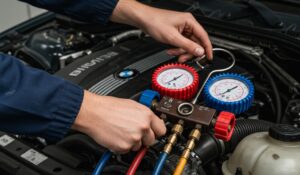
Whether you’re planning a scenic drive across Malaysia, a weekend getaway, or a longer adventure, preparing your European car before setting off is one of the smartest decisions you can make.
European vehicles such as BMW, Mercedes-Benz, Audi, Volkswagen, MINI, Porsche, Volvo, Land Rover, and Skoda are engineered for comfort, safety, and performance. However, long-distance driving places additional demands on the engine, transmission, brakes, tyres, cooling system, and electrical components.
A simple pre-trip inspection can significantly reduce the risk of unexpected breakdowns, improve fuel efficiency, and give you complete peace of mind throughout your journey.
In this guide, we’ll walk you through a professional pre-road trip checklist that helps ensure your European vehicle is ready for every kilometre ahead.
Why a Pre-Trip Inspection Is Important
Many vehicle problems don’t become noticeable until you’re far from home.
A professional inspection before travelling helps:
- Reduce the risk of breakdowns
- Improve driving safety
- Enhance fuel efficiency
- Protect your engine and transmission
- Identify worn components early
- Prevent expensive emergency repairs
- Give you confidence during your journey
A few preventive checks today can save hours of inconvenience later.
1. Check Engine Oil
Engine oil lubricates and protects every moving component inside your engine.
Before a long journey:
✔ Check the oil level.
✔ Inspect the oil condition.
✔ Replace the oil if your next service is approaching.
Fresh engine oil improves:
- Engine protection
- Fuel efficiency
- Engine cooling
- Overall reliability
Never begin a long road trip with low or contaminated engine oil.
2. Inspect the Cooling System
Long-distance driving generates more engine heat.
A healthy cooling system prevents overheating.
Inspect:
- Coolant level
- Radiator
- Water pump
- Hoses
- Expansion tank
- Cooling fan
Any coolant leak should be repaired before travelling.
3. Check the Battery
Modern European cars rely heavily on electronic systems.
A weak battery can leave you stranded without warning.
Professional battery testing includes:
- Battery health
- Charging voltage
- Alternator output
- Battery terminals
If your battery is several years old or showing signs of weakness, replacing it before your trip may help avoid unexpected starting problems.
4. Inspect the Brakes
Your braking system is one of the most important safety features on your vehicle.
Before travelling, have the following checked:
- Brake pads
- Brake discs
- Brake fluid
- Brake hoses
- Brake calipers
- ABS system
If you notice squealing, grinding, vibrations, or reduced braking performance, arrange repairs before departure.
5. Check Your Tyres
Tyres are your vehicle’s only contact with the road.
Inspect:
- Tyre pressure
- Tread depth
- Sidewall condition
- Uneven wear
- Tyre age
Properly inflated tyres improve:
- Fuel economy
- Stability
- Braking
- Handling
Don’t forget to inspect your spare tyre if your vehicle is equipped with one.
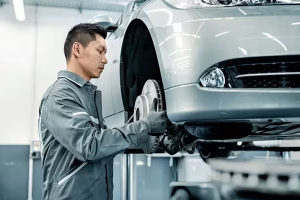
6. Perform Wheel Alignment
If your steering wheel feels off-centre or the vehicle pulls to one side, wheel alignment should be corrected before a long journey.
Proper alignment:
- Improves handling
- Reduces tyre wear
- Increases fuel efficiency
- Enhances driving comfort
7. Test the Air-Conditioning System
Long drives in Singapore and Malaysia are far more comfortable with a properly functioning air-conditioning system.
Check:
- Cooling performance
- Cabin air filter
- Compressor operation
- Refrigerant level
Weak cooling should be inspected before your trip.
8. Inspect All Vehicle Fluids
Besides engine oil, several other fluids are essential.
Check:
- Coolant
- Brake fluid
- Transmission fluid
- Windscreen washer fluid
- Power steering fluid (if applicable)
Proper fluid levels protect important vehicle systems throughout your journey.
9. Replace Worn Wiper Blades
Heavy tropical rain can reduce visibility in seconds.
Inspect your wipers for:
- Cracks
- Streaking
- Skipping
- Poor wiping performance
Replacing worn blades is a simple but important safety measure.
10. Check All Lights
Before leaving, ensure every light functions correctly.
Inspect:
- Headlights
- Brake lights
- Tail lights
- Reverse lights
- Turn signals
- Fog lights
- Number plate lights
Good visibility improves safety for both you and other road users.
11. Listen for Unusual Noises
Unusual sounds often indicate developing mechanical problems.
Pay attention to:
- Knocking
- Grinding
- Squealing
- Suspension noises
- Wheel bearing sounds
Any unfamiliar noise should be investigated before travelling.
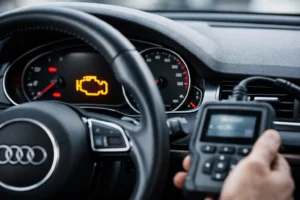
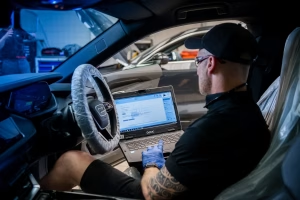
12. Perform a Computer Diagnostic Scan
Many faults can exist even when no warning lights are visible.
A professional diagnostic scan checks:
- Engine management
- Transmission
- ABS
- Airbags
- Battery system
- Sensors
- ECU communication
Finding hidden faults early helps prevent breakdowns during your trip.
13. Inspect Belts and Hoses
Rubber components naturally wear over time.
Check for:
- Cracks
- Swelling
- Leaks
- Fraying
Replacing worn belts and hoses before travelling reduces the risk of roadside failures.
14. Verify Emergency Equipment
Carry a few essential items for added peace of mind.
Recommended items include:
- First aid kit
- Torch
- Portable tyre inflator
- Warning triangle
- Jumper cables
- Phone charger
- Drinking water
- Basic tool kit
- Reflective safety vest
Being prepared makes handling unexpected situations much easier.
15. Check Important Documents
Before crossing into Malaysia or travelling long distances, ensure you have all the necessary documents.
These may include:
- Driving licence
- Vehicle registration
- Insurance documents
- Identification or passport (for international travel)
- Toll payment methods
Always confirm the latest travel and border requirements before departure.
Common Mistakes Drivers Make Before a Road Trip
Avoid these common errors:
- Ignoring dashboard warning lights
- Skipping scheduled servicing
- Driving with worn tyres
- Delaying brake repairs
- Forgetting to check coolant
- Not testing the battery
- Ignoring unusual noises
- Overloading the vehicle
- Leaving without a diagnostic inspection
Preventive maintenance is always more cost-effective than emergency repairs.
Why a Professional Inspection Is Worth It
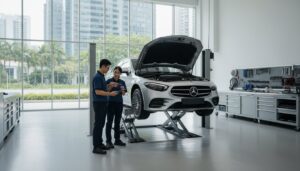
A professional inspection goes beyond basic visual checks.
Experienced technicians use advanced diagnostic equipment to identify:
- Hidden engine faults
- Transmission issues
- Cooling system problems
- Suspension wear
- Brake wear
- Electronic system faults
This helps reduce the risk of unexpected breakdowns and gives you greater confidence before travelling.
Why Choose a European Car Specialist?
European vehicles feature advanced engineering that requires specialist knowledge.
A trusted European workshop provides:
- Manufacturer-level diagnostic equipment
- Experienced technicians
- Genuine or OEM-quality replacement parts
- Comprehensive inspections
- Transparent servicing recommendations
- Professional workmanship
Choosing a specialist helps ensure your vehicle is fully prepared for long-distance travel.
Frequently Asked Questions
How soon before my road trip should I service my car?
Ideally, schedule a professional inspection one to two weeks before your departure. This provides enough time to complete any necessary repairs or order replacement parts if required.
Is a diagnostic scan necessary if there are no warning lights?
Yes. Some faults may be stored in the vehicle’s computer without triggering a dashboard warning. A diagnostic scan can identify these issues before they affect your journey.
Should I replace my tyres before travelling?
If your tyres have low tread depth, uneven wear, sidewall damage, or are nearing the end of their service life, replacement before a long trip is recommended.
What should I do if a warning light appears during my journey?
If the warning light is accompanied by poor performance, overheating, unusual noises, or a flashing Check Engine Light, stop driving when safe and seek professional assistance.
Why are pre-trip inspections especially important for European cars?
European vehicles contain sophisticated engines, electronics, and safety systems. Regular inspections help ensure every component is operating correctly before extended driving.
Preparing for a Malaysia Road Trip from Singapore
Many Singapore drivers enjoy road trips to destinations such as Johor Bahru, Malacca, Kuala Lumpur, Cameron Highlands, Penang, and Ipoh. These longer journeys often involve extended highway driving, steep climbs, and varying road conditions.
Having your European car professionally inspected before crossing the border helps minimise the risk of breakdowns and ensures you can enjoy your trip with confidence.
Start Your Journey with Confidence at Volt Autocare
A memorable road trip begins with a reliable vehicle. Taking the time to inspect your European car before travelling helps improve safety, prevent unexpected repairs, and protect your investment.
At Volt Autocare, we provide comprehensive pre-trip inspections, diagnostics, and servicing for BMW, Mercedes-Benz, Audi, Volkswagen, MINI, Porsche, Volvo, Land Rover, and other European vehicles. Our experienced technicians use advanced diagnostic equipment and genuine or OEM-quality parts to ensure your vehicle is road-trip ready.
Planning your next journey? Book a professional European car inspection with Volt Autocare today and travel with complete confidence.