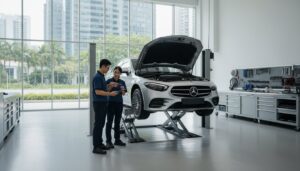
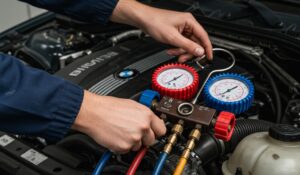
Owning a European vehicle means enjoying exceptional engineering, premium comfort, and outstanding driving performance. Whether you drive a BMW, Mercedes-Benz, Audi, Volkswagen, MINI, Porsche, Volvo, Land Rover, or Skoda, regular maintenance is essential to keep your vehicle reliable and prevent costly repairs.
One of the biggest mistakes many car owners make is waiting until something breaks before visiting a workshop. In reality, most expensive repairs can be avoided by replacing key components before they fail.
So, how often should you service your European car? And when should important parts be replaced?
In this complete guide, we’ll explain a recommended service schedule, the lifespan of common components, warning signs of wear, and why preventive maintenance is one of the smartest investments you can make.
Why Following a Service Schedule Is So Important
Modern European cars are equipped with turbocharged engines, sophisticated transmissions, advanced electronics, and intelligent safety systems. These technologies deliver excellent performance but also require regular maintenance.
Following a proper servicing schedule helps you:
- Extend engine life
- Improve fuel efficiency
- Reduce repair costs
- Maintain vehicle performance
- Increase safety
- Prevent unexpected breakdowns
- Protect resale value
Routine servicing is far less expensive than major repairs caused by neglected maintenance.
General European Car Service Timeline
Although service intervals may vary depending on the manufacturer and driving conditions, this schedule serves as a helpful guide for most European vehicles driven in Singapore.
| Mileage / Time | Recommended Service |
|---|---|
| Every Month | Check tyre pressure, engine oil, coolant, lights, wipers |
| Every 10,000–15,000 km or 12 Months | Minor service, engine oil, oil filter, diagnostic scan |
| Every 30,000 km | Air filter, cabin filter, wheel alignment, tyre rotation |
| Every 60,000 km | Spark plugs, brake fluid, transmission inspection |
| Every 80,000–100,000 km | Cooling system inspection, suspension check, battery evaluation |
| Every 100,000 km+ | Major service and comprehensive inspection |
A professional inspection may recommend replacing certain components earlier depending on wear and driving habits.
Engine Oil
Recommended Replacement
Every 10,000–15,000 km or once every 12 months.
Why It Matters
Engine oil lubricates moving parts, reduces friction, controls engine temperature, and helps prevent premature wear.
Signs It Needs Attention
- Dirty or dark oil
- Engine noise
- Reduced fuel efficiency
- Oil warning light
- Low oil level
Fresh engine oil is one of the most important factors in extending engine life.
Oil Filter
Recommended Replacement
Replace the oil filter every time the engine oil is changed.
Why It Matters
The oil filter removes contaminants that would otherwise circulate through the engine.
A clean filter ensures clean oil continues protecting internal engine components.
Engine Air Filter
Recommended Replacement
Approximately every 30,000 km, depending on driving conditions.
Why It Matters
The air filter prevents dust and debris from entering the engine.
Signs of a Dirty Air Filter
- Reduced engine power
- Poor acceleration
- Increased fuel consumption
- Rough idling
Replacing the air filter helps your engine breathe efficiently.
Cabin Air Filter
Recommended Replacement
Every 20,000–30,000 km.
Why It Matters
The cabin filter improves the air quality inside your vehicle while helping your air-conditioning system operate efficiently.
Signs It Needs Replacing
- Weak airflow
- Unpleasant odours
- Dust inside the cabin
- Reduced cooling performance
Spark Plugs
Recommended Replacement
Most modern European vehicles require replacement approximately every 60,000 km, though intervals vary by model.
Why They Matter
Spark plugs ignite the air-fuel mixture inside the engine.
Signs of Worn Spark Plugs
- Engine misfires
- Rough idling
- Difficult starting
- Poor fuel economy
- Reduced acceleration
Replacing spark plugs on time helps maintain engine performance.
Brake Pads
Inspection
Inspect during every scheduled service.
Replacement
Replace when worn beyond the manufacturer’s recommended limit.
Warning Signs
- Squealing brakes
- Grinding noise
- Reduced braking performance
- Brake warning light
- Steering vibration while braking
Never delay brake repairs, as braking performance directly affects safety.
Brake Fluid
Recommended Replacement
Approximately every 2 years, depending on manufacturer recommendations.
Why It Matters
Brake fluid absorbs moisture over time, reducing braking efficiency.
Fresh brake fluid helps maintain consistent braking performance.
Transmission Fluid
Inspection
Inspect during routine servicing.
Replacement
Follow the recommended maintenance schedule for your specific vehicle.
Signs It Needs Attention
- Hard shifting
- Delayed gear changes
- Gear slipping
- Transmission warning light
Healthy transmission fluid helps ensure smooth gear changes and protects internal components.
Coolant
Inspection
Check coolant level regularly.
Replacement
Follow the manufacturer’s maintenance recommendations.
Why It Matters
Coolant regulates engine temperature and prevents overheating.
Old coolant can lose its protective properties and contribute to corrosion.
Battery
Inspection
Check battery health during every scheduled service.
Typical Lifespan
Many vehicle batteries last 3–5 years, depending on usage and climate.
Warning Signs
- Slow engine cranking
- Electrical issues
- Battery warning light
- Difficulty starting
Replacing a weak battery before it fails helps avoid unexpected breakdowns.
Tyres
Monthly Checks
Inspect:
- Tyre pressure
- Tread depth
- Sidewall condition
- Uneven wear
Rotation
Typically every 10,000 km.
Replacement
When tread depth reaches the legal or manufacturer-recommended limit, or if tyres show signs of damage or ageing.
Proper tyre maintenance improves safety, comfort, and fuel efficiency.
Wheel Alignment
When to Check
- After hitting a pothole
- After replacing suspension components
- If the vehicle pulls to one side
- During routine maintenance if uneven tyre wear is observed
Correct alignment improves tyre life and handling.
Suspension Components
Inspection
Inspect during every scheduled service.
Common Components
- Shock absorbers
- Bushings
- Ball joints
- Control arms
- Suspension links
Replacing worn suspension parts restores comfort, stability, and steering precision.
Timing Components
Some European engines use a timing belt, while others use a timing chain.
Because maintenance requirements vary between manufacturers and engine types, it’s important to follow the recommended schedule for your specific vehicle.
If unusual engine noises or timing-related fault codes appear, arrange an inspection promptly.
Cooling System Components
Regularly inspect:
- Radiator
- Water pump
- Thermostat
- Hoses
- Expansion tank
Replacing worn cooling system components before failure helps prevent engine overheating.
Windscreen Wipers
Replace When
- They leave streaks.
- Rubber becomes cracked.
- Visibility is reduced during rain.
Good visibility is essential for safe driving.
Why Preventive Maintenance Saves Money
Many costly repairs begin as small, inexpensive issues.
For example:
- Replacing worn brake pads can help protect brake discs.
- Repairing a coolant leak early can help prevent engine overheating.
- Replacing old transmission fluid can help reduce wear inside the gearbox.
- Fixing an oil leak promptly helps protect the engine.
Preventive maintenance helps avoid larger repair bills and keeps your vehicle performing reliably.
Common Signs Your Car Is Due for Service
Don’t wait for your scheduled interval if you notice:
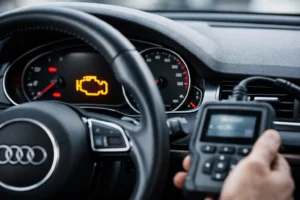
- Check Engine Light
- Oil warning light
- Poor fuel economy
- Rough idling
- Unusual engine noises
- Brake squealing
- Transmission hesitation
- Excessive vibration
- Steering instability
- Engine overheating
Early diagnosis helps reduce repair costs and improve reliability.
Why Singapore Driving Conditions Matter
Although Singapore’s roads are generally well maintained, daily stop-and-go traffic, frequent short journeys, high temperatures, and humidity place additional stress on engines, transmissions, brakes, batteries, and cooling systems.
Following a consistent maintenance schedule is especially important for European vehicles operating in local driving conditions.
Why Choose a European Car Specialist?
European vehicles require specialist knowledge, advanced diagnostic equipment, and manufacturer-approved repair procedures.
A trusted European workshop provides:
- Manufacturer-level diagnostic equipment
- Experienced European vehicle technicians
- Genuine or OEM-quality replacement parts
- Transparent servicing recommendations
- Accurate diagnostics
- Professional workmanship
Choosing a specialist helps protect your vehicle’s long-term performance and reliability.
Frequently Asked Questions
How often should I service my European car?
Most European vehicles should receive a routine service every 10,000–15,000 kilometres or once every 12 months, whichever comes first. Always follow the maintenance schedule for your specific model.
Do all European cars have the same service schedule?
No. Service intervals can vary depending on the manufacturer, model, engine type, and driving conditions.
Can I delay replacing worn parts if my car still drives normally?
It is not recommended. Many components continue to wear gradually, and delaying replacement can lead to more expensive repairs or affect vehicle safety.
Is preventive maintenance worth it?
Yes. Preventive maintenance helps detect small issues early, reduces the likelihood of major breakdowns, improves reliability, and can lower long-term ownership costs.
Why should I use a specialist workshop for servicing?
European vehicles use advanced technology and often require specialised diagnostic equipment and expertise to ensure accurate servicing and repairs.
Keep Your European Car Performing at Its Best with Volt Autocare
Routine maintenance isn’t just about keeping your service record up to date—it’s about protecting your investment, improving safety, and enjoying the driving experience your European vehicle was designed to deliver.
Whether you own a BMW, Mercedes-Benz, Audi, Volkswagen, MINI, Porsche, Volvo, Land Rover, or Skoda, following a structured service schedule helps prevent unexpected breakdowns and costly repairs.
At Volt Autocare, we specialise in comprehensive servicing, diagnostics, and repairs for European vehicles. Our experienced technicians use advanced diagnostic equipment and genuine or OEM-quality parts to ensure every component of your vehicle is inspected, maintained, and performing at its best.
Book your next European car service with Volt Autocare today and keep your vehicle running smoothly for years to come.