As more Singapore drivers consider making the switch to electric, the questions surrounding ev ownership are becoming more urgent. While the silent, smooth performance is appealing, concerns about long-term maintenance costs, the specifics of servicing a vehicle without a traditional engine, and the potential for a high-priced battery replacement can create uncertainty. Are electric vehicles truly more affordable to maintain in the long run, or are there hidden costs to consider?
This comprehensive guide is designed to deliver clarity and confidence. We provide a professional, side-by-side comparison of EV servicing and petrol car maintenance, specifically for the Singaporean driver. You will discover the key differences in workshop needs, understand the actual long-term cost implications, and gain the knowledge needed to maintain your vehicle’s performance and reliability, whether it’s powered by electricity or petrol. Let’s demystify the future of automotive care.
The Core Difference: Why EV Maintenance is a New Game
The fundamental difference between servicing a traditional petrol car and an electric vehicle (EV) lies in mechanical complexity. A standard internal combustion engine (ICE) vehicle operates with over 2,000 moving parts. In stark contrast, an EV powertrain contains approximately 20. This dramatic reduction signals a monumental shift in automotive care. Maintenance is no longer primarily about managing mechanical wear and tear; it’s about the meticulous management of battery health, software integrity, and high-voltage electronics. Your vehicle has evolved from a mechanical machine into a sophisticated digital one.
The Internal Combustion Engine (ICE): A Complex Mechanical System
An ICE powertrain is a network of precisely timed explosions, managed by pistons, valves, belts, and a complex fuel system. It relies heavily on fluids like engine oil for lubrication and coolant for heat management. These components—from spark plugs to exhaust systems—are subject to intense heat and friction, leading to inevitable wear and requiring routine replacement to ensure performance and reliability.
The Electric Vehicle (EV) Powertrain: Elegant Simplicity
The EV powertrain is defined by its elegant simplicity, consisting of three core components: the high-voltage battery, an inverter, and the electric motor. Power is delivered directly to the wheels, eliminating the need for a multi-speed transmission, exhaust pipes, fuel injectors, or engine oil. This streamlined design, a hallmark of modern electric vehicle technology, drastically reduces the number of failure points and eradicates the need for regular oil changes.
This core distinction is why professional servicing requires a new set of skills and advanced diagnostic tools. The focus moves away from the oil sump and towards sophisticated battery management systems and software updates, demanding specialised expertise to maintain the vehicle’s peak performance and safety.
The ‘Goodbye’ List: Maintenance You’ll Forget with an EV
One of the most significant advantages of switching to an electric vehicle is the dramatic reduction in routine maintenance. The complex internal combustion engine (ICE) is replaced by a far simpler electric motor, eliminating a long list of regular, often costly, workshop visits. This shift not only saves you money but also delivers unparalleled convenience and peace of mind. For owners accustomed to the meticulous upkeep of performance European cars, this change is revolutionary. This streamlined approach to vehicle care is detailed in many resources, including this comprehensive guide to EV maintenance from automotive experts.
The table below offers a clear, at-a-glance comparison of the maintenance tasks you can leave behind.
No More Oil Changes or Engine Fluids
An electric motor does not require engine oil for lubrication. This immediately eliminates the most frequent and recurring maintenance cost for any petrol car owner. In Singapore, a standard oil change for a luxury vehicle can range from S$250 to S$500. By removing this biannual service, EV owners can save upwards of S$500 to S$1,000 annually. Furthermore, fluids like transmission fluid and power steering fluid are also things of the past, simplifying your vehicle’s needs.
Exhaust Systems and Emissions Checks are History
Your new ev produces zero tailpipe emissions, rendering the entire exhaust system obsolete. This means you no longer have to worry about the costly replacement of components like catalytic converters, mufflers, or oxygen sensors. More importantly, it guarantees you will never fail a mandatory vehicle inspection due to emissions issues, ensuring a smooth and predictable ownership experience.
Fewer Belts, Hoses, and Spark Plugs to Replace
The internal combustion engine relies on a network of belts (timing, serpentine), hoses, spark plugs, and fuel filters—all of which degrade over time and require eventual replacement. These parts are common culprits for unexpected breakdowns and expensive repairs. An EV’s powertrain has drastically fewer moving parts, enhancing its long-term reliability and removing these common points of failure from your maintenance checklist.
The New Checklist: Key EV-Specific Service Points
While an electric vehicle promises a future with fewer traditional service appointments and is recognized for its lower maintenance and repair costs, this advantage does not mean ‘no maintenance’. Instead, the focus shifts from mechanical wear to electrical and digital systems. A professional ev service regimen is crucial for ensuring optimal performance, safety, and longevity, particularly for protecting its most valuable asset: the high-voltage battery.
At Volt Autocare, our skilled technicians use advanced diagnostic tools to perform a comprehensive check of these specialised components. This new checklist is designed for the unique architecture of premium electric vehicles.
Battery Pack Health & Diagnostics
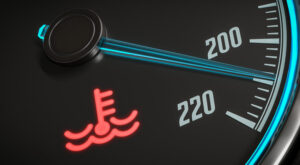
The battery is the heart of your EV. An annual State of Health (SoH) check is essential to assess its condition and remaining capacity. Our specialists use advanced diagnostics to inspect for early signs of cell degradation or faults. We also meticulously check the battery’s thermal management system, ensuring coolant levels and condition are optimal to prevent overheating and preserve the battery’s lifespan.
Software Updates: The ‘Digital Tune-Up’
Modern vehicles are increasingly defined by their software, and this is especially true for EVs. Regular software updates, whether performed Over-The-Air (OTA) or in our workshop, are the new tune-up. These updates refine everything from battery management and charging efficiency to power delivery and regenerative braking. Much like an ECU tune-up in a petrol car, this process ensures your vehicle operates at peak performance and efficiency.
High-Voltage Cable and Component Inspection
Safety is paramount when servicing an electric vehicle. Our comprehensive inspection includes a detailed check of all high-voltage components, easily identified by their bright orange cabling. We meticulously examine these cables and their connections for any signs of damage, wear, or corrosion that could compromise safety or performance. This task is strictly reserved for certified technicians with specialised training in handling high-voltage systems, guaranteeing your peace of mind.
Familiar Ground: What Maintenance Stays the Same (Mostly)
While an electric vehicle represents a significant shift in technology, many core principles of vehicle maintenance remain. Transitioning to an ev doesn’t mean forgetting everything you know about car care. Understanding these familiar components—and their unique nuances in an electric context—is key to ensuring your vehicle’s long-term performance and reliability.
Our skilled technicians provide comprehensive inspections that cover both the new and the familiar, giving you complete peace of mind.
Brake System: Less Wear, Still Critical
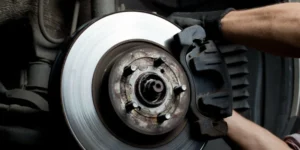
Thanks to regenerative braking, your EV’s motor handles much of the vehicle’s deceleration, significantly extending the life of brake pads and rotors. However, this reduced usage creates a new challenge: brake calipers can seize from inactivity. A professional inspection of brake fluid levels and caliper function remains a critical safety check to ensure they engage reliably when you need them most.
Tyre Wear: The Hidden EV Consideration
The instant torque and substantial weight of an electric vehicle place unique demands on its tyres, often leading to accelerated wear compared to petrol cars. To maximise tyre life and maintain safety, we recommend:
- More Frequent Rotations: Regular rotations are essential to ensure even wear across all four tyres.
- Precise Alignments: Proper wheel alignment is crucial for preventing premature wear and optimising efficiency.
- EV-Specific Tyres: For the best results, consider tyres designed for EVs. They are built to handle the extra weight, reduce road noise, and improve range. Our partners at ContiExpert Singapore offer a professional range suited for premium vehicles.
Suspension, Steering, and Air Conditioning
The fundamental components that ensure a smooth and controlled ride are still present. Shocks, struts, bushings, and steering systems require the same diligent inspections for wear and tear, especially given the increased vehicle weight. Similarly, your air conditioning system still requires service, though it runs off the high-voltage battery instead of an engine belt. The cabin air filter also needs regular replacement to maintain clean air inside your vehicle.
The Humble 12V Battery
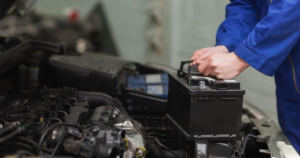
Yes, your advanced electric car still relies on a conventional 12V battery. This is a common point of confusion for new owners. This essential component powers your car’s computers, lights, infotainment system, and door locks. It also “wakes up” the high-voltage system. Just like in a petrol car, this 12V battery can degrade and fail, making regular testing a necessary part of your maintenance schedule to prevent an unexpected breakdown.
Choosing a Workshop for Your EV: A New Era of Expertise
As electric vehicles become more common on Singapore’s roads, the question of where to service them is crucial. An EV is not simply a car without an engine; it is a sophisticated piece of high-voltage technology. Servicing requires a level of specialisation far beyond the scope of a traditional workshop, demanding a new era of expertise focused on electronics, software, and safety.
Choosing the right partner for your ev maintenance is essential for ensuring its performance, safety, and longevity. A qualified workshop is defined by its investment in three key areas: certified training, advanced diagnostic tools, and a deep understanding of complex vehicle systems.
Why Specialised High-Voltage Training is Non-Negotiable
The powertrain of an electric vehicle operates on systems ranging from 400V to 800V, a level of electricity that is extremely dangerous if handled improperly. Technicians must be professionally certified to work on these high-voltage systems. This specialised training is a critical differentiator, ensuring they can safely de-energise the vehicle, handle battery packs, and service electric motors without risk to themselves or your car. This is not a general skill; it is a mandatory safety and quality standard.
The Importance of Advanced Diagnostic Software
With a conventional car, a mechanic often listens for mechanical issues. With an EV, most problems are diagnosed through software. A qualified workshop must have brand-specific diagnostic tools capable of communicating with the vehicle’s complex computer network. This equipment is essential for reading battery state-of-health (SOH), analysing error codes from the battery management system (BMS), and recalibrating sensors—tasks that are impossible without the correct digital interface.
How European Car Expertise Translates to EVs
Technicians with extensive experience in modern European cars are uniquely positioned to excel in EV servicing. The intricate electronics, including complex Engine Control Units (ECU) and Controller Area Network (CAN bus) systems found in brands like Mercedes, BMW, and Audi, share a similar diagnostic philosophy with EVs. This background provides a strong foundation for understanding the integrated electronic architecture of an electric vehicle. For expert care on complex vehicles, both petrol and electric, trust the specialists at Volt Autocare.
Your Partner for Every Powertrain: Petrol and Electric
The transition to electric vehicles marks a significant evolution in automotive care. While you can say goodbye to oil changes and exhaust system repairs, the modern ev requires specialised attention, from battery health diagnostics to software management. Core components like brakes, tyres, and suspension still demand professional inspection, but the expertise needed to service the entire system has fundamentally changed, shifting from mechanical complexity to advanced electronics.
This new era of maintenance demands a new level of expertise. For owners of premium European vehicles, ensuring peak performance and reliability is non-negotiable. At Volt Autocare, our team of skilled, certified technicians are specialists in complex European vehicles. We leverage advanced diagnostic equipment for precision repairs, ensuring your vehicle receives the meticulous care it deserves, whether it runs on petrol or electricity.
Whether you drive a petrol-powered Mercedes, BMW, Audi, or are planning your electric future, trust the specialists to safeguard your investment. Ensure your vehicle is in expert hands. Book Your Service with Volt Autocare today.
Frequently Asked Questions About EV Servicing
Is EV servicing cheaper than petrol car servicing in Singapore?
Yes, routine EV servicing is generally more affordable than for petrol cars. Electric vehicles have significantly fewer moving parts, eliminating the need for oil changes, spark plug replacements, and exhaust system maintenance. A standard service for a petrol car in Singapore can range from S$200 to S$500, whereas a basic EV health check is often less. Over the vehicle’s lifespan, these reduced maintenance requirements deliver substantial cost savings for the owner.
How often do electric cars need to be serviced?
Electric cars require less frequent servicing. While a petrol car typically needs a check-up every 10,000 km or six months, most EV manufacturers recommend a service interval of every 20,000 km or once a year. This service focuses on inspecting the battery’s health, coolant levels for the thermal management system, brake fluid, and tyre condition. For precise scheduling, always consult your vehicle’s official service manual to ensure optimal performance and reliability.
What is the lifespan of an EV battery and is it expensive to replace?
An EV battery is engineered to last for the vehicle’s lifetime, typically 10 to 20 years or between 160,000 and 300,000 km. Degradation is a gradual process, not a sudden failure. A full battery replacement is uncommon but can be costly, ranging from S$7,000 to over S$25,000 in Singapore, depending on the model. However, as battery technology advances, these costs are expected to decrease, and most owners will not require a replacement.
Can any workshop service an electric car, or do I need a specialist?
You must engage a specialist workshop with certified technicians trained to handle high-voltage systems. A standard mechanic lacks the specialised tools and safety training required for EV maintenance. Servicing an electric car involves advanced diagnostics for the battery management system and electric drivetrain. Using an unqualified workshop poses a serious safety risk and could invalidate your vehicle’s warranty. Always choose a professional centre with proven expertise.
Do electric cars have a warranty on their batteries?
Yes, all new electric vehicles sold in Singapore include a dedicated, comprehensive warranty for the high-voltage battery. The industry standard is typically 8 years or 160,000 km, whichever comes first. This warranty covers excessive capacity loss, usually if the battery’s health drops below a 70% threshold within the period. This provides owners with significant peace of mind, protecting them against premature battery performance issues or defects.
What are the most common repairs needed for an electric vehicle?
Beyond standard wear items like tyres, brakes, and suspension parts, EV-specific repairs are infrequent. The most common issues tend to involve the 12-volt auxiliary battery, charging port malfunctions, or software glitches that require an update. Major repairs to the high-voltage battery or electric motor are rare. The simplified mechanical design of an EV results in fewer potential points of failure compared to a traditional internal combustion engine vehicle.